

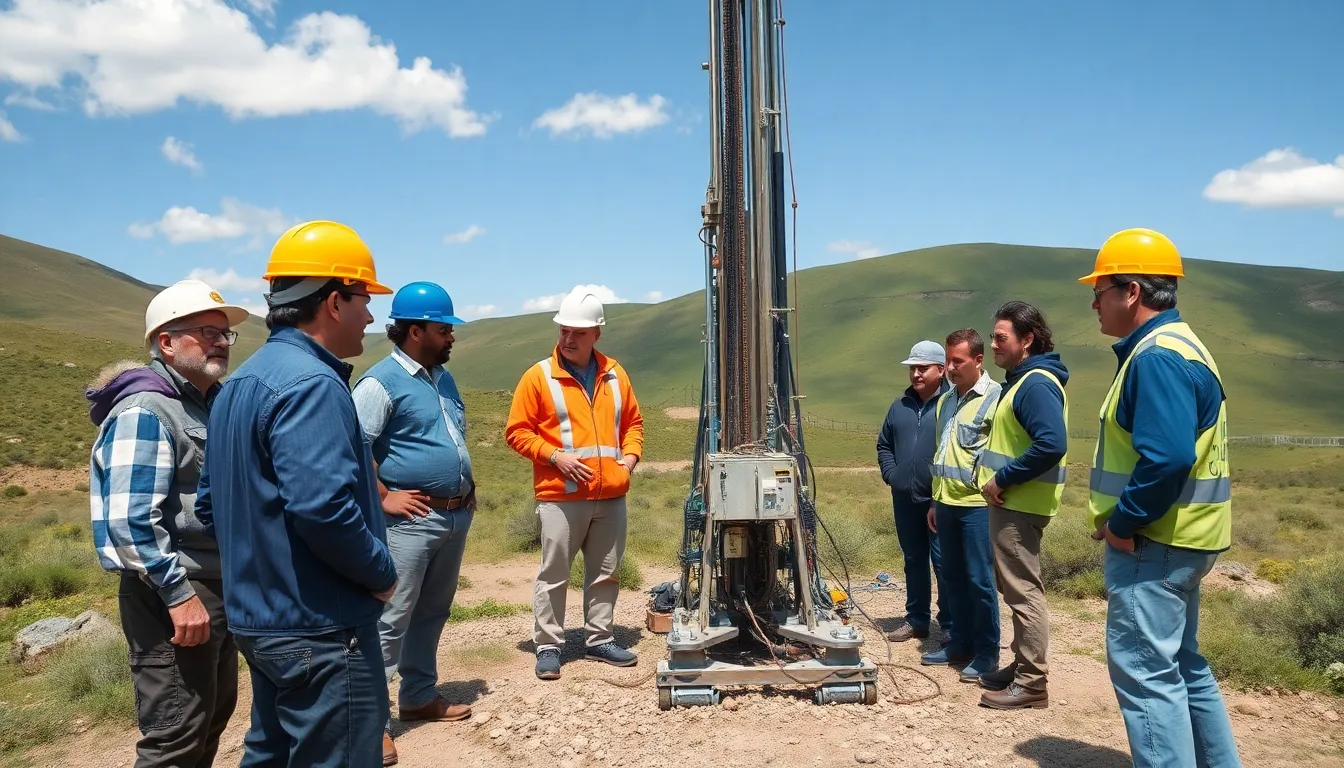
Geothermal energy might not be the first thing that pops into your head when you think about sustainability, but it’s time to change that. Imagine harnessing the Earth’s natural heat like a cozy blanket on a chilly day. This renewable energy source not only keeps the lights on but also helps reduce carbon footprints faster than you can say “hot springs.”
As the planet heats up—no pun intended—finding sustainable energy solutions becomes more critical than ever. Geothermal energy stands out as a reliable option that’s both efficient and environmentally friendly. So why not dig a little deeper into this underground powerhouse? With the right approach, geothermal energy could be the key to a cleaner, greener future. Let’s explore how this hidden gem can revolutionize energy consumption and contribute to a sustainable world.
Table of Contents
ToggleUnderstanding Geothermal Energy Sustainability
Geothermal energy sustainability encompasses efficient use and minimal environmental impact of Earth’s heat resources. This energy source contributes significantly to reducing greenhouse gas emissions and achieving energy independence.
Definition and Importance
Geothermal energy sustainability refers to the responsible extraction and utilization of geothermal resources, ensuring they are available for future generations. Its importance lies in its ability to provide stable, reliable energy while minimizing ecological disturbances. This energy source requires less land than solar and wind alternatives, making it particularly advantageous for densely populated regions. Sustainable practices in geothermal energy enhance its efficiency and long-term viability, reducing reliance on fossil fuels and supporting global efforts to combat climate change.
Key Components of Sustainability
Sustainable geothermal systems incorporate several key components that foster environmental protection and resource preservation. Efficient resource management emphasizes the use of renewable and naturally replenishing geothermal sources. Moreover, technological advancements make extraction methods less invasive, reducing surface and subsurface impacts. Continuous monitoring of resource temperatures and pressures ensures that extraction does not exceed the Earth’s natural replenishment rate. Financial investments in geothermal projects also play a vital role in developing infrastructure, further enabling sustainable energy transition.
Benefits of Geothermal Energy
Geothermal energy offers numerous benefits that contribute to sustainability and environmental preservation.
Environmental Advantages
Utilizing geothermal energy significantly reduces greenhouse gas emissions. According to the Environmental Protection Agency, geothermal systems emit far fewer emissions compared to fossil fuels. This energy source also has a minimal land footprint, allowing for efficient space utilization. Unlike solar and wind energy, geothermal energy operates continuously, providing a reliable and consistent power supply. Moreover, it utilizes the Earth’s natural heat without depleting resources, ensuring long-term availability. Consequently, geothermal energy contributes to a cleaner environment and mitigates climate change effects.
Economic Impacts
Investing in geothermal energy supports job creation across various sectors. The U.S. Department of Energy reports that geothermal projects generate high-wage jobs in engineering, construction, and operations. Reduced energy costs also play a significant role in boosting local economies. With stable energy prices, businesses can lower operational expenses and redirect funds to growth. Furthermore, geothermal energy fosters energy independence by decreasing reliance on imported fuels. This contributes to national security and economic stability. Overall, the economic benefits of geothermal energy positively influence communities and enhance sustainable development initiatives.
Challenges to Geothermal Energy Sustainability
Geothermal energy faces several challenges that can impact its sustainability. Addressing these challenges is crucial for realizing its potential as a long-term energy solution.
Resource Limitations
Resource limitations pose significant challenges to geothermal energy sustainability. Not all regions possess suitable geothermal reservoirs, which restricts access to this energy source. Additionally, the extraction process can lead to depletion of the resource if not managed properly. Over-extraction, particularly in high-demand areas, risks reducing the long-term viability of geothermal plants. Sustainable practices can mitigate these concerns by promoting effective management and maintaining a balance between extraction and natural replenishment. Regional studies show that thorough assessment of geothermal resources is key to ensuring ongoing availability.
Technological Hurdles
Technological hurdles often hinder advancements in geothermal energy. Current drilling techniques can be costly, making geothermal projects financially challenging. Innovations in drilling technology remain essential for improving overall efficiency and reducing operational costs. Moreover, the effectiveness of geothermal systems relies on reliable monitoring and maintenance technologies to ensure optimal performance. Advances in these areas can also enhance resource mapping, allowing for better site selection and management strategies. Ultimately, continued investment in research and development plays a critical role in overcoming these technological barriers and supporting geothermal energy’s sustainability goals.
Future of Geothermal Energy Sustainability
Geothermal energy’s future hinges on innovative technologies and supportive policies. Advancements in geothermal systems promise enhanced efficiency and lower environmental impacts.
Innovations and Developments
Recent innovations focus on improving drilling technologies. Enhanced geothermal systems utilize existing resources more effectively. Developments in binary cycle power plants enable lower temperature reservoirs to generate electricity. Innovations in resource monitoring systems allow for real-time assessments of reservoir health, ensuring sustainable practices. This combination of advancements drives a more cost-effective and reliable extraction process.
Policy and Regulatory Considerations
Supportive policies play a vital role in geothermal energy sustainability. Governments can incentivize investment through tax credits and grants for geothermal projects. Establishing clear regulatory frameworks guides responsible resource extraction and utilization. Collaboration between public and private sectors fosters innovation and streamlines the permitting process. These efforts will strengthen geothermal energy’s position as a sustainable alternative in the broader energy landscape.
Geothermal energy stands out as a promising solution for a sustainable energy future. Its unique ability to provide reliable and consistent power while minimizing environmental impact positions it as a crucial player in combating climate change. By embracing innovative technologies and sustainable practices, communities can harness the Earth’s natural heat responsibly.
Investment in geothermal projects not only fosters economic growth but also strengthens energy independence. As the world shifts toward cleaner energy sources, the importance of geothermal energy will only increase. With a focus on sustainable management and technological advancements, geothermal energy has the potential to revolutionize the energy landscape for generations to come.