


In the world of construction, Type 2 buildings are like that reliable friend who shows up on time with pizza—solid, dependable, and ready to get things done. These structures, often made of non-combustible materials, offer a perfect blend of safety and versatility. Whether it’s a cozy apartment complex or a bustling retail space, Type 2 construction is the unsung hero of modern architecture.
But why should anyone care about Type 2 buildings? Well, they’re not just about bricks and mortar; they’re about creating spaces that stand the test of time. With fire resistance and durability at their core, these buildings promise peace of mind for owners and tenants alike. So, if you’re looking to dive into the nitty-gritty of construction, buckle up! This journey through Type 2 building construction is bound to be both enlightening and entertaining.
Overview of Type 2 Building Construction
Type 2 building construction, known for its use of non-combustible materials, offers significant fire resistance. Structures in this category often include masonry and concrete, which contribute to their stability. These buildings typically fulfill diverse purposes, ranging from residential apartments to commercial retail spaces.
Fire safety plays a crucial role in the appeal of Type 2 buildings. The materials used help prevent the spread of flames, providing critical time for occupants to evacuate during emergencies. Durability also stands out in Type 2 construction, allowing these structures to withstand various environmental factors, enhancing their lifespan.
Design flexibility remains a key advantage of Type 2 buildings. Architects and developers can customize these structures to meet specific needs while adhering to safety standards. The costs associated with Type 2 construction are competitive, making them an appealing option for investors.
Evidently, the balance between safety, durability, and cost efficiency reinforces the popularity of Type 2 building construction. Many owners and tenants appreciate the peace of mind this construction method offers. Overall, the advantages of Type 2 buildings position them as a reliable choice for modern construction projects.
Key Characteristics of Type 2 Construction
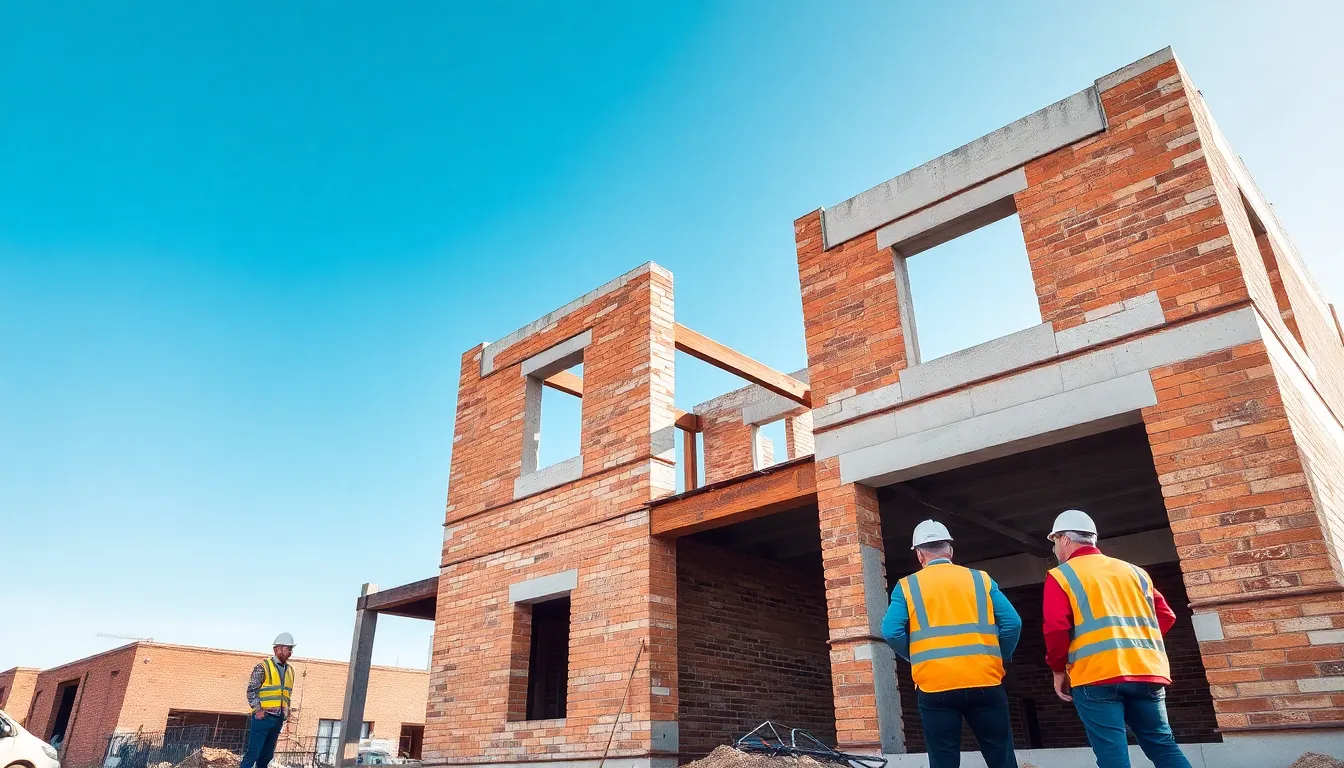
Type 2 construction features essential attributes that enhance safety and versatility. These buildings utilize high-quality materials that offer superior protection against hazards.
Non-Combustible Materials
Non-combustible materials characterize Type 2 construction. Common examples include masonry, concrete, and steel. Each material contributes to the building’s overall safety structure. Architects frequently select these materials to ensure stability and resilience. Additionally, the use of non-combustible materials minimizes fire risks, protecting lives and property. The combination of these elements enables developers to construct durable structures while maintaining compliance with regulatory standards. Enhanced thermal performance also results from the integration of such materials, promoting energy efficiency.
Fire Resistance Ratings
Fire resistance ratings play a crucial role in Type 2 buildings. The rating indicates how long a building’s components can withstand fire exposure before failing. Typically, these constructions receive ratings between one and three hours. Factors like material quality, assembly, and design impact these ratings significantly. Higher ratings mean increased safety during emergencies, allowing occupants more time to evacuate. Various codes and standards, including the International Building Code, govern these fire resistance classifications. Compliance with these regulations fosters confidence among occupants and property owners alike. Enhanced fire safety measures create an overall secure living or working environment in Type 2 structures.
Benefits of Type 2 Building Construction
Type 2 building construction offers multiple advantages, making it a popular choice among developers and property owners. Understanding these benefits provides insight into the efficiency and efficacy of these structures.
Cost-Effectiveness
Cost-effectiveness stands out as a primary advantage of Type 2 construction. Utilizing non-combustible materials like masonry and steel reduces initial construction costs and ongoing maintenance expenses. These materials require less frequent replacement, minimizing long-term financial burdens. Competitive pricing for labor and materials makes projects more feasible for investors. Additionally, insurance premiums may be lower due to enhanced fire resistance, providing further financial relief. Overall, the economic benefits foster property development and investment opportunities.
Energy Efficiency
Energy efficiency enhances the appeal of Type 2 buildings. High-quality, non-combustible materials improve thermal performance, leading to reduced energy consumption. Proper insulation minimizes heating and cooling demands, resulting in lower utility bills for occupants. Energy-efficient design often translates to compliance with green building certifications, attracting environmentally-conscious tenants. Furthermore, sustainable practices in construction support energy conservation efforts. Adding renewable energy sources can amplify these benefits, making Type 2 buildings a forward-thinking choice for modern construction.
Challenges and Considerations
Type 2 building construction presents specific challenges and considerations that can impact projects significantly. Understanding these factors can lead to more successful outcomes.
Building Codes and Regulations
Compliance with building codes and regulations stands as a primary challenge. Local laws dictate adherence to safety standards, impacting design and material choices. Building codes often specify fire resistance ratings and structural integrity, influencing the choice of materials like concrete and steel. Additionally, zoning laws might limit building height and footprint, affecting overall design. Regular inspections are necessary to ensure ongoing compliance throughout the construction process. Any deviations from established codes could lead to penalties, project delays, or safety risks, emphasizing the importance of thorough planning and consultation with local authorities.
Design Limitations
Architectural flexibility can encounter limitations within Type 2 construction. While design versatility exists, restrictions may arise from fire-resistant requirements and material specifications. Choosing non-combustible materials impacts aesthetics and architectural features, often requiring creative solutions to maintain visual appeal. Standardized dimensions for components can also restrict innovative design approaches. Furthermore, the focus on fire safety may necessitate additional structural support elements, further complicating designs. For these reasons, collaboration between architects and engineers becomes crucial, ensuring both safety and aesthetics align within the project’s framework.
Type 2 building construction stands out as a reliable choice for modern projects. Its blend of safety durability and cost-effectiveness makes it appealing to both developers and occupants. The use of non-combustible materials not only enhances fire resistance but also contributes to energy efficiency and lower maintenance costs.
As the demand for flexible and safe building solutions continues to rise Type 2 structures will likely remain a popular option. By prioritizing compliance with regulations and embracing innovative design practices architects and builders can maximize the potential of these robust buildings. Ultimately Type 2 construction represents a smart investment for the future of urban development.