

In a world where plastic bags seem to multiply like rabbits and carbon footprints are the new fashion trend, sustainable living solutions are more than just a buzzword—they’re a necessity. Imagine a life where your morning coffee doesn’t come with a side of guilt and your home feels like a cozy eco-haven rather than a landfill. It’s not just a dream; it’s a lifestyle choice that anyone can adopt!
Understanding Sustainable Living Solutions
Sustainable living solutions focus on minimizing environmental impact while meeting daily needs. These solutions incorporate practices that promote energy efficiency, waste reduction, and resource conservation. Choosing renewable energy sources, such as solar panels, proves beneficial for both the environment and energy bills.
Implementing a zero-waste approach represents another integral component of sustainable living. People can adopt reusable containers, cloth bags, and biodegradable products to reduce waste significantly. Composting food scraps and yard waste aids in diverting organic materials from landfills.
Transportation choices play an essential role in sustainable living as well. Opting for public transport, cycling, or walking decreases carbon footprints and fosters healthier lifestyles. Carpooling with others reduces the number of vehicles on the road, promoting cleaner air quality.
Water conservation strategies also contribute to sustainability efforts. Installing low-flow showerheads and faucets minimizes water consumption while maintaining comfort. Collecting rainwater for gardening offers an eco-friendly alternative to using municipal water.
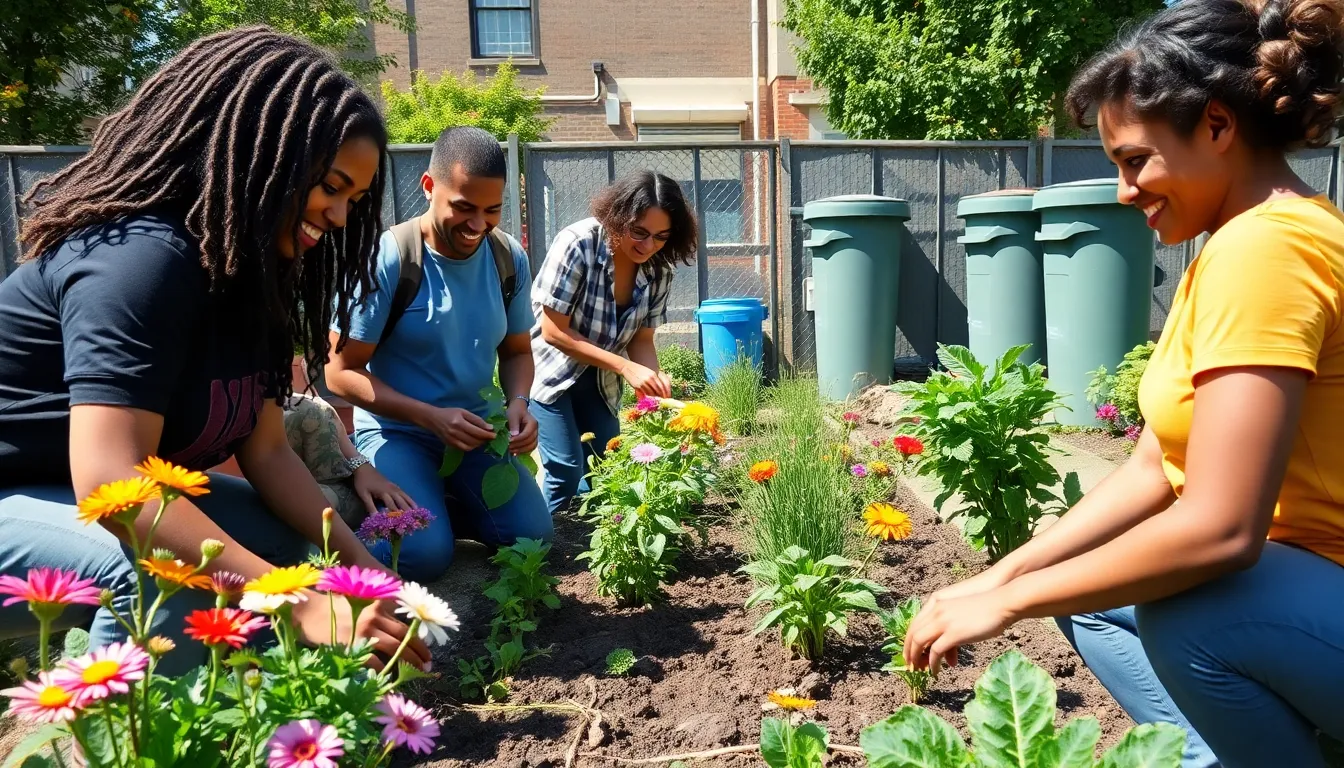
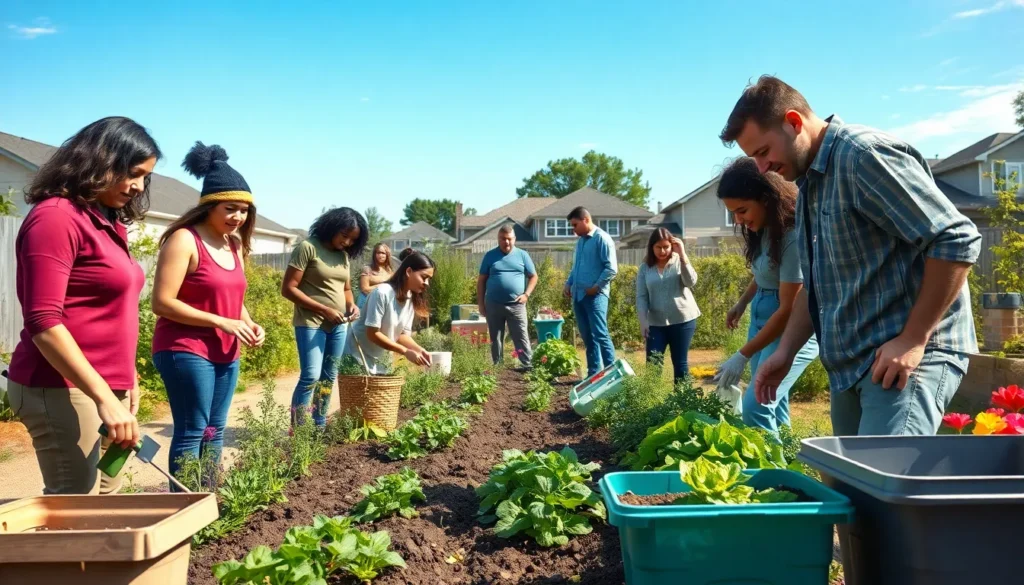
Gardening with native plants supports local ecosystems and enhances sustainability in residential areas. These plants require less water and promote biodiversity, which strengthens local wildlife habitats. Community gardens bring people together, encouraging cooperation and sharing resources.
Making informed choices about food sources impacts sustainable living as well. Supporting local farmers’ markets bolsters the local economy and lowers transportation emissions. Choosing organic foods reduces exposure to harmful pesticides, benefiting both personal health and the environment.
Incorporating these sustainable living solutions fosters a holistic lifestyle that aligns with ecological values, creating a positive change for the planet and future generations.
Benefits of Sustainable Living

Sustainable living offers numerous advantages, enhancing both the environment and personal finances.
Environmental Advantages
Embracing sustainable living leads to significant environmental improvements. Carbon footprint reduction lowers greenhouse gas emissions, contributing to a healthier planet. Wildlife protection occurs through habitat conservation, which preserves biodiversity. Utilizing renewable energy sources, such as solar or wind power, decreases reliance on fossil fuels and mitigates pollution. Sustainable practices also involve reducing water use, helping maintain freshwater supplies. Communities benefit from cleaner air and water due to waste reduction initiatives. Composting organic materials diverts waste from landfills, resulting in less methane emissions. Overall, the positive environmental impact significantly contributes to a sustainable future.
Economic Savings
Investing in sustainable solutions can generate substantial economic benefits. Energy-efficient appliances often lower utility bills through reduced energy consumption. Individuals practicing waste reduction frequently find savings by buying less and reusing items. Gardening at home not only provides fresh produce but also cuts grocery costs. Engaging in local markets supports regional economies while saving transportation expenses. Public transportation and cycling reduce fuel costs and overall commuting expenses. Moreover, many sustainable practices have long-term financial returns, particularly in renewable energy investments. These strategies illustrate how sustainable living aligns with economic savings, fostering financial independence.
Practical Sustainable Living Solutions
Sustainable living solutions play a crucial role in reducing environmental impact. These practices enhance lifestyles while promoting ecological awareness.
Energy Efficiency
Energy-efficient appliances save electricity and reduce utility bills. Smart thermostats allow optimal temperature control, enhancing comfort and conserving energy. Installing LED lighting produces more light while consuming less power. Sealing windows and doors prevents air leaks, further improving home insulation. Utilizing solar panels generates renewable energy, decreasing reliance on fossil fuels. Regular maintenance of HVAC systems ensures they operate efficiently, reducing overall energy consumption.
Waste Reduction
Implementing a zero-waste approach minimizes landfill contributions. Using reusable containers, bags, and utensils cuts down on single-use plastic. Composting kitchen scraps transforms organic waste into nutrient-rich soil. Engaging in community swap events encourages sharing and reusing items. Shopping secondhand can offer savings while reducing demand for new products. Recycling items such as paper, glass, and metal enhances material recovery and reduces resource extraction.
Sustainable Transportation Options
Choosing public transportation lessens carbon footprints and promotes community engagement. Biking or walking not only benefits health but also reduces vehicle emissions. Carpooling allows multiple passengers to share rides, decreasing road congestion and fuel use. Electric vehicles offer an eco-friendly alternative to gasoline-powered cars, contributing to cleaner air. Integrating these transportation options enhances sustainability while supporting local infrastructure development.
Challenges to Implementing Sustainable Solutions
Sustainable living solutions face significant challenges that can hinder their widespread adoption. Understanding these obstacles helps in developing effective strategies to overcome them.
Financial Barriers
Implementing sustainable solutions often involves upfront costs that can be prohibitive. Many individuals and businesses might struggle with the initial investment required for energy-efficient appliances or solar panel installations. These expenses can deter adoption, particularly in low-income households. Furthermore, the perceived return on investment tends to deter potential users, even when long-term savings are evident. Financial incentives, such as tax credits or grants, play a crucial role in making sustainable solutions more accessible, yet many people are unaware of these opportunities.
Lack of Awareness
Awareness regarding sustainable practices often remains insufficient. Many individuals don’t recognize the benefits associated with eco-friendly living, limiting their engagement with these solutions. Educational initiatives may not reach all demographics, leaving gaps in knowledge about sustainability. Furthermore, misinformation can spread easily, leading to misconceptions about the complexities involved. Lack of community programs can further contribute to this issue, as they frequently play a vital role in disseminating information and encouraging participation in sustainable practices.
Embracing sustainable living solutions is essential for a healthier planet and future generations. By adopting eco-friendly practices individuals can significantly reduce their environmental impact while enjoying the benefits of a guilt-free lifestyle. Simple changes in daily routines like using reusable bags or conserving water can make a substantial difference.
The journey toward sustainability may come with challenges but the rewards are worth the effort. As communities come together to support these initiatives awareness and engagement will grow. Every small step taken contributes to a larger movement towards a more sustainable world. By prioritizing sustainability individuals not only enhance their own lives but also play a vital role in protecting the planet for years to come.