
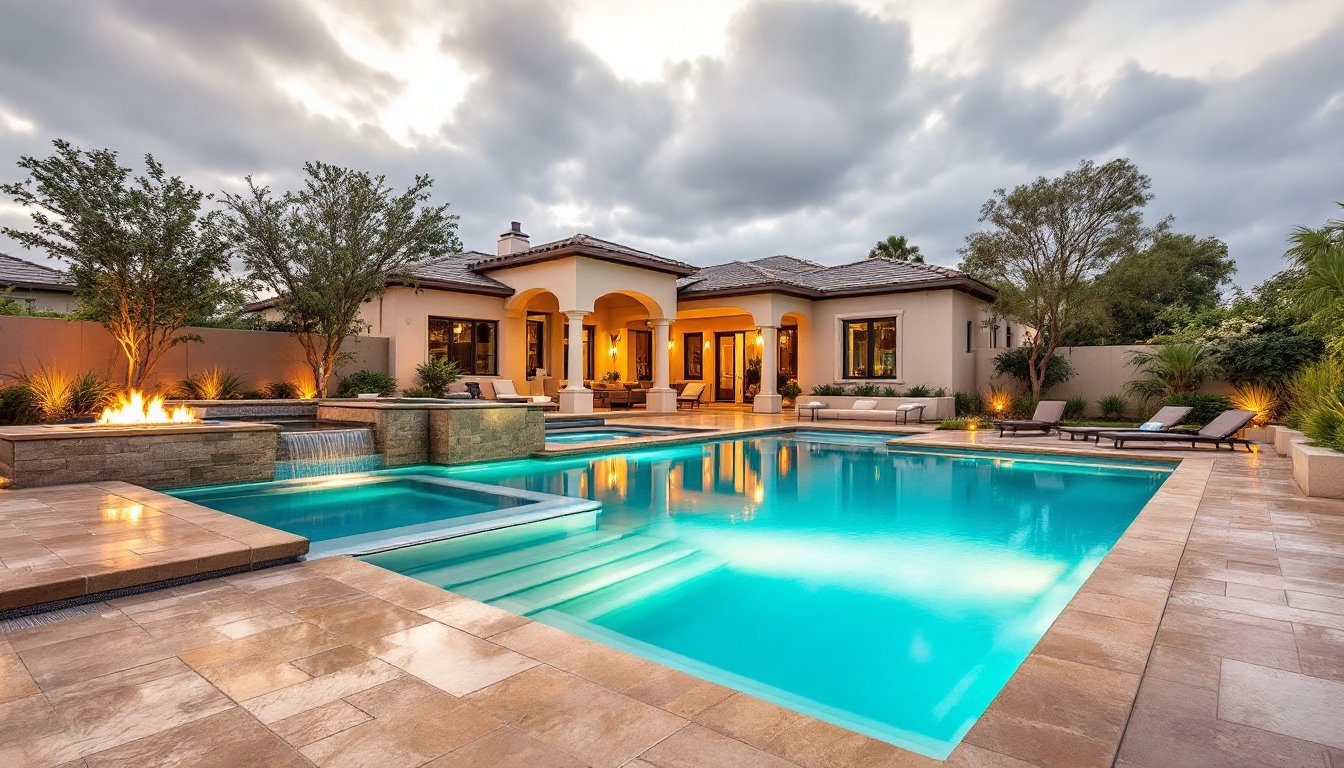
A luxury swimming pool design isn’t just about having water in your backyard, it’s about creating an outdoor retreat that reflects your lifestyle and elevates your home’s value. Whether you’re drawn to sleek, modern aesthetics or timeless elegance, luxury pool design combines premium materials, thoughtful layout, and smart technology to deliver an experience that feels more like a resort than a residential project. This guide walks you through the essential decisions, from shape and materials to lighting and automation, so you can build a pool that becomes the centerpiece of your outdoor living space.
Table of Contents
ToggleKey Takeaways
- Luxury pool design elevates home value by combining premium materials, thoughtful layout, and smart technology to create a resort-like outdoor retreat.
- Proper site planning, professional design, and quality construction using reinforced concrete and advanced composites are foundational to avoiding maintenance issues and maximizing visual impact.
- Material choices like aggregate finishes, natural stone tile, and high-end decking ($25–50+ per square foot) directly determine both durability and the luxurious appeal of your pool.
- Layered lighting systems with LED options, water features like sheer descent waterfalls, and fire elements transform luxury pools into stunning focal points for entertaining after dark.
- Smart automation systems with real-time water chemistry monitoring, variable-speed pumps, and app-based controls reduce energy costs by 50–75% while simplifying maintenance.
- Sustainable luxury pool design using solar heating, saltwater systems, and water conservation features like quality covers proves that premium pools can be both elegant and environmentally responsible.
Essential Elements Of High-End Pool Design
Luxury pool design starts with understanding what sets premium pools apart. The foundation is proper site planning, water depth, sun exposure, sight lines from your home, and drainage patterns all matter before a single shovel touches ground. You’ll want to hire a pool designer or architect who understands how the pool integrates with your landscape and home architecture. Poor planning creates maintenance headaches and missed visual impact down the road.
Second, invest in quality construction. A luxury pool uses reinforced concrete, high-grade pool shells, or advanced composite materials that last 15–20 years with proper care. Skimping on substrate preparation, the base under and around the pool, leads to cracking and settling. The bond beam (the area between the pool edge and surrounding decking) must be structurally sound and properly waterproofed.
Finally, detail work separates luxury pools from standard ones. Custom tile work, integrated benches, sun shelves (shallow lounging areas), and accent lighting are standard in high-end designs. These elements require skilled labor and precise execution, but they transform the pool from functional to stunning.
Choosing The Right Pool Shape And Size
Pool shape directly affects aesthetics, functionality, and maintenance. Rectangular pools offer clean lines, maximize lane space for lap swimming, and pair well with modern homes. Free-form or lagoon-style pools create a natural, resort-like feel and work beautifully in landscaped settings. Kidney or figure-eight shapes blend elegance with usability.
Size is personal, but consider these practical factors: A 15×30-foot pool is large enough for lap swimming and entertaining without consuming your entire yard. Depth varies by use, lap pools need 4–5 feet, while family pools typically max out at 3–4 feet. Shallow sun shelves (6–18 inches deep) add visual interest and are perfect for lounging or small children.
When reviewing designs, pay attention to how the pool’s proportions relate to your lot size and home footprint. A pool that’s 40% of your yard looks cramped: aim for 25–35% pool-to-yard ratio. Professional designers use sightlines and scale drawings to confirm how the pool will look from key vantage points before breaking ground.
Premium Materials And Finishes That Make A Difference
Material choices determine both the pool’s longevity and visual appeal. Plaster finishes are the traditional choice, smooth and affordable, but they require acid washing every 5–10 years and can stain or chip. Aggregate finishes (quartz or pebble mixed into plaster) offer superior durability and a luxurious look, lasting 10–15 years before resurfacing.
Tile work is where luxury really shows. Natural stone (travertine, slate, limestone) offers elegant aesthetics and non-slip surfaces. Porcelain or glass tile provides vibrant colors and custom patterns. Expect to budget $25–50+ per square foot for high-end tile in the waterline and accent areas.
Decking materials must balance aesthetics with safety and maintenance. Travertine and natural stone stay cooler underfoot than concrete and age beautifully, though they’re pricier. Stamped or colored concrete is budget-friendly and allows custom designs. Composite decking is low-maintenance but less luxurious in appearance.
When combined with luxury home builders who specialize in high-end outdoor spaces, material selections are coordinated with your home’s overall design language. The waterline tile, coping, and surrounding finishes should echo your home’s color palette and style.
Lighting And Ambient Features For Luxury Appeal
Lighting transforms a pool after dark and is essential for luxury appeal. LED pool lights are energy-efficient and programmable, offering color-changing options that set mood and atmosphere. Underwater lights in the pool bowl, combined with uplighting in landscape plantings around the pool, create layered visual depth.
Cove lighting (recessed fixtures in the bond beam or coping) provides subtle ambiance without harsh shadows. Floating lights or accent features in the water add playfulness. Pathway lighting around the deck improves safety and extends usable hours.
Fire features, built-in fire bowls, tiki torches, or linear fire channels along the decking, add warmth and an upscale resort feel. Water features like sheer descent waterfalls, bubblers, or laminar jets create movement and sound, masking traffic noise while adding visual interest. These should be powered by dedicated pumps and wired to your main pool circulation system.
Galleries like those featured in Architectural Digest’s pool showcase demonstrate how lighting and water features elevate pools into focal points of outdoor entertaining spaces.
Water Features And Spa Integration
Water features add sensory and visual richness to luxury pools. A sheer descent waterfall uses a blade-edge spillway to create a smooth sheet of water, premium and striking, but requires precise engineering to prevent splashing and edge damage. Laminar jets shoot organized streams that look architectural and are forgiving on the deck.
Spa integration is nearly universal in luxury designs. A built-in spa (6×8 feet, 3 feet deep) offers relaxation and entertaining space separate from the main pool. Jets, heating, and aromatics turn it into a wellness retreat. A spillover spa (where water from the spa overflows into the pool) creates elegant visual continuity.
In-pool seating, benches, loungers, or sunken islands, doubles as functional seating and sculptural design elements. Sun shelves allow guests to recline in shallow water, combining comfort with a striking visual line.
When planning water features, confirm your property’s water capacity, drainage, and municipal requirements. Some jurisdictions limit spa/pool size or require separate permits. A professional contractor will handle plumbing integration, ensuring features tie into circulation without compromising water chemistry or flow rates.
Smart Pool Technology And Automation
Modern luxury pools integrate smart controls that simplify maintenance and enhance user experience. Automated circulation systems monitor and adjust pH, chlorine, and alkalinity in real-time, keeping water crystal-clear without daily guesswork. Saltwater chlorinators or ozonation systems reduce harsh chemical odor and are gentler on skin.
Variable-speed pumps cut energy use by 50–75% compared to single-speed models, dropping monthly electrical costs by $20–50. Programmable controls let you schedule filtration during off-peak hours.
App-based controls let homeowners adjust heater temperature, turn features on/off, or monitor chemistry from anywhere. Intelligent schedules adapt to seasonal use patterns. Some systems integrate with smart home platforms like Amazon Alexa or Google Home for voice control.
Safety automation includes automatic covers (retractable or motorized) that reduce evaporation and prevent accidental submersion. Motion sensors can trigger lighting or alert you if someone enters the pool unexpectedly.
These systems require professional installation and a dedicated electrical circuit meeting NEC (National Electrical Code) standards, low-voltage wiring, GFCI protection, and proper bonding are non-negotiable for safety. Budget $3,000–8,000 for a comprehensive smart system depending on pool size and feature complexity.
Sustainable Luxury: Eco-Friendly Pool Options
Luxury doesn’t mean wasteful. Sustainable pool design reduces water, energy, and chemical consumption while maintaining pristine quality. Variable-speed pumps and timer controls are the easiest efficiency upgrades. Solar heating (panels mounted on roof or adjacent structures) adds $3,000–6,000 but pays for itself in 5–7 years through heating cost reduction.
Saltwater systems use salt chlorinators instead of chlorine tablets, reducing chemical purchases and softening water. They require an upfront investment ($1,500–3,000) but lower long-term operating costs and are gentler on skin and eyes.
Natural or infinity-edge pools minimize visual boundaries, making small yards feel larger and reducing perceived landscape disruption. Some designers use constructed wetland filtration (decorative plants filter water naturally), though this requires significant space.
Water conservation starts with a good pool cover, reducing evaporation by 85% and chemical loss. Rainwater catchment systems can supplement pool top-offs in dry climates. Modern phosphate-free algaecides and enzyme-based products reduce chemical waste.
Sustainability also applies to site selection and landscape integration. Positioning pools to avoid excessive sun exposure in hot climates or maximizing passive solar gain in cooler regions cuts heating/cooling demands. Surrounding vegetation should be native, drought-tolerant species to minimize irrigation overlap. When browsing design inspiration on Home Bunch’s luxury home gallery, note how sustainable designs balance aesthetics with resource efficiency, proving that premium pools can be environmentally responsible.