
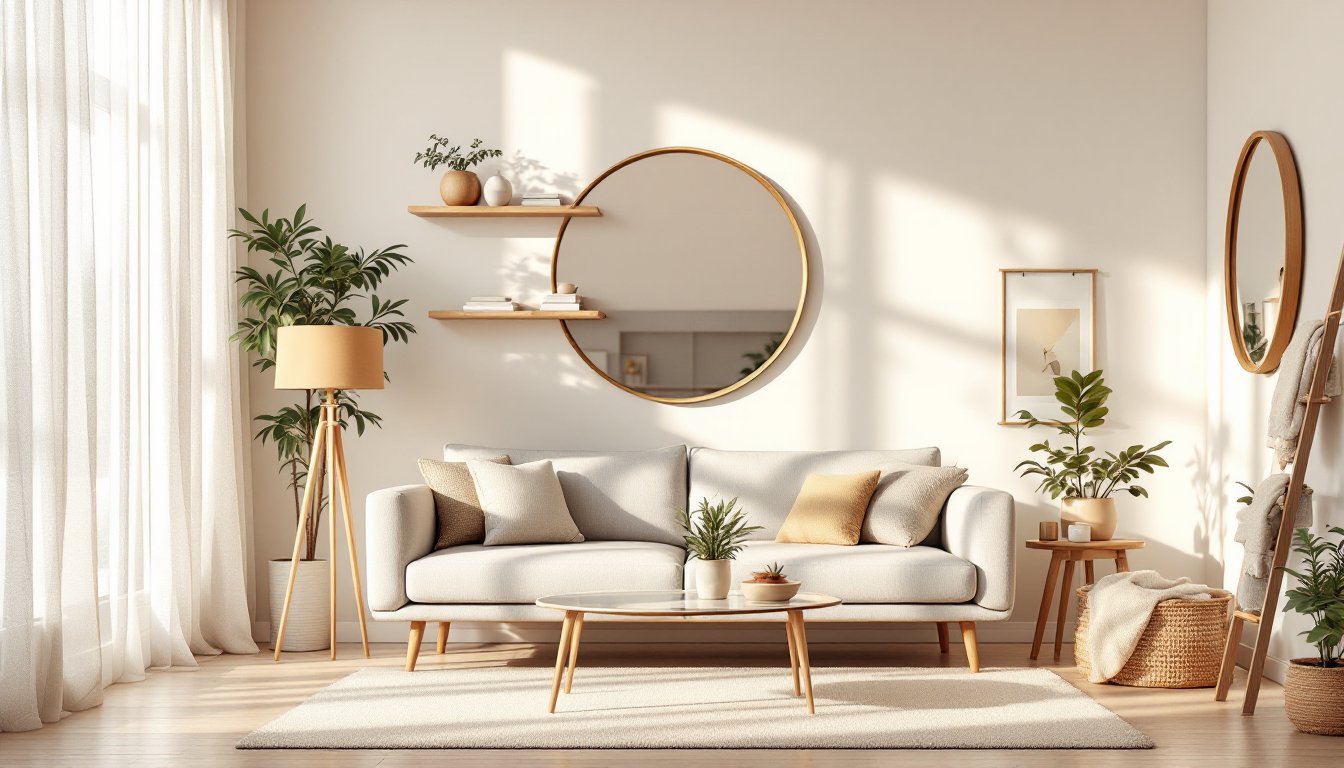
A small living room doesn’t have to feel cramped or limiting. With thoughtful design choices and strategic planning, even a modest square footage can feel open, functional, and genuinely inviting. The key is making every inch count, through smart furniture selection, clever storage, and design techniques that visually expand the space. Whether you’re working with a 150-square-foot studio or a cozy 250-square-foot apartment, these small living room design ideas will help you transform your space into a room you actually want to spend time in. It’s not about expensive renovations: it’s about working smarter with what you have.
Table of Contents
ToggleKey Takeaways
- Small living room design ideas prioritize vertical storage and wall-mounted shelving to maximize square footage without consuming floor space or creating visual clutter.
- Multi-functional furniture that serves dual purposes—such as storage ottomans, sleeper sofas, and lift-top coffee tables—ensures every piece earns its place in compact layouts.
- Floating furniture arrangements and strategic placement in the center of the room make small spaces feel larger by creating defined zones and improving visual flow.
- Light colors, natural light, and large mirrors are design superpowers that reflect light, create the illusion of depth, and make small living rooms feel exponentially more open.
- Layered lighting with ambient, task, and accent light sources prevents flat, uninviting spaces while maintaining warmth and creating depth in compact rooms.
- Ruthless decluttering with smart organization systems—hidden storage, labeled bins, and 70% clear surfaces—transforms small spaces from chaotic to intentionally cozy.
Use Vertical Space With Wall Shelving and Storage
When floor space is a luxury, look up. Vertical storage is the workhorse of small room design, letting you maximize square footage without eating up the precious room you do have. Wall-mounted shelves draw the eye upward and create the illusion of height, making the ceiling feel farther away than it actually is.
Install open shelving above sofas, desks, or along an empty wall. Use adjustable metal or wood shelves (typically 8–12 inches deep) to display books, plants, or decorative objects. If you’re going the DIY route, ensure shelves are properly anchored to wall studs with heavy-duty brackets rated for your intended load. The standard recommendation is one bracket per foot of shelf length for safety.
Closet shelving matters too. Adding a second shelf or adjustable dividers inside existing closets can double usable storage without adding bulk to the room itself. Floating shelves mounted at different heights create visual rhythm and feel less bulky than traditional bookcases. Keep shelves roughly 40–48 inches above a sofa or seating area so they don’t create a crowded feeling overhead.
Wall-mounted cabinets, pegboards, or ladder-style shelving units offer additional organization without requiring floor space. The goal is keeping surfaces clear and intentional, clutter makes small spaces feel suffocating.
Choose Multi-Functional Furniture That Earns Its Place
In a small living room, every piece of furniture should pull double duty. A sofa with built-in storage, a coffee table that lifts to create a work surface, or an ottoman that serves as seating and a side table are non-negotiable investments. Look for pieces designed specifically for compact spaces: they’re engineered to fit snugly while delivering more functionality than standard furniture.
Consider a sleeper sofa or sectional if guests occasionally stay over, it handles sleeping and lounging in one footprint. A console table behind the sofa works beautifully in open-plan layouts, creating a subtle room divider without blocking sight lines. Storage benches at the foot of a sofa provide seating, storage, and a surface for folding blankets or stacking pillows.
Scale matters. A massive leather sectional will overwhelm a small room and make it feel even tighter. Stick to furniture pieces proportional to your space, measure before buying, and consider armless chairs or sofas with exposed legs, which feel lighter visually than fully upholstered bases. Nesting tables, drop-leaf tables, and wall-mounted desks fold away when not in use.
Strategic Furniture Placement and Floating Layouts
How you arrange furniture matters as much as what you buy. A floating layout, where furniture floats in the center of the room rather than pushed against walls, actually makes small spaces feel larger by defining a clear seating zone and creating flow around the perimeter.
Try floating a sofa perpendicular to the wall and anchoring it with a rug underneath. Position secondary seating (chairs, poufs) to face the sofa. This arrangement naturally creates conversation zones and makes the room feel intentionally designed rather than cramped.
Avoid placing all furniture along the walls: it actually makes the space feel smaller because your eye travels across the entire empty middle, emphasizing the room’s dimensions. Instead, leave one wall mostly clear for visual breathing room. A rug on carpet can help define zones and add texture without bulk.
Leverage Light and Color to Open Up the Room
Light and color are design superpowers in small spaces. Natural light makes rooms feel exponentially larger, so maximize window treatments. Use sheer curtains or light-filtering roller shades instead of heavy blackouts. If privacy is a concern, install semi-sheer cellular shades or linen curtains that soften light without blocking it entirely.
Paint color influences perceived space too. Light, neutral walls (soft whites, pale grays, warm beiges) reflect light and feel airy. Dark accent walls can work in larger rooms, but in small spaces they risk making walls feel closer. If you love color, use it on one feature wall and keep the rest neutral. Alternatively, paint trim and ceiling the same color as walls to minimize visual breaks and create continuity.
The color psychology is real: cooler tones (soft blues, greens) feel calming and spacious, while warm tones (soft yellows, warm grays) feel cozy without shrinking the room. Avoid heavily saturated colors that dominate the visual space. Instead, lean into soft, muted versions of colors you love.
Floor color matters too. Lighter flooring (light wood, pale tile, or cream-colored carpet) bounces light and feels more open than dark floors. A white rug for living room can anchor a space and enhance the sense of openness while grounding your furniture arrangement.
Declutter With Smart Organization Systems
Clutter is the enemy of small-space living. A cluttered 200-square-foot room feels chaos: the same room, organized, feels cozy and intentional. Smart organization means every item has a home and most of it is hidden.
Invest in storage baskets, bins, and drawer dividers that fit under sofas, inside cabinets, and on shelves. Woven baskets add warmth and texture while concealing remote controls, magazines, and throw blankets. Clear acrylic drawer organizers let you see contents at a glance without visual clutter. Vertical file sorters store papers, art prints, or thin items without taking up floor space.
Category everything: books by size, electronics by type, seasonal items in labeled bins. If you haven’t used something in a year, it probably doesn’t belong in a small space. Be ruthless about letting items go, each object should either be functional, beautiful, or genuinely meaningful. Duplicate items (three throw blankets, two coffee table books on the same subject) are budget waste in a compact layout.
Wall-mounted cabinets with doors hide what you want tucked away while displaying carefully curated items on open shelves. Keep surfaces (tables, shelves, countertops) 70% clear. That white space is actually what makes a small room feel breathable. Sources like Apartment Therapy regularly share practical small-space organization hacks that apply across layouts.
Create Visual Interest With Mirrors and Reflective Surfaces
Mirrors are the secret weapon of small-space design. A strategically placed mirror reflects light, bounces it across the room, and creates the optical illusion of doubled space. Position a large mirror opposite a window to capture and redistribute natural light. Lean a full-length mirror against a wall or hang one above a console table.
Scale matters: one large mirror is more effective than several small ones. A 36–48-inch-wide mirror creates impact: anything smaller gets visually lost. Avoid placing mirrors opposite each other, which can feel disorienting. Instead, angle them to catch light from windows or lamps.
Beyond mirrors, reflective surfaces multiply the impact. A glossy finish on furniture, glass-topped coffee tables, metallic accent pieces, and lacquered shelving all bounce light and add sparkle without bulk. A design house decor approach that mixes matte and reflective finishes keeps the room from feeling flat or one-dimensional.
Mirrors with interesting frames, thin brass, reclaimed wood, or painted finishes, double as decor, not just functional reflectors. Lean a mirror behind a side table with a lamp to amplify light and add depth. In a small space, every visual trick counts, and mirrors are the highest ROI design investment you’ll make.
Layer Lighting for Warmth and Depth
Overhead ceiling lights alone create flat, uninviting lighting in any room, especially small ones. Layer three types of light: ambient (overall), task (focused), and accent (decorative) to create depth and warmth.
Ambient lighting might be a ceiling fixture or recessed lights on a dimmer switch. Task lighting includes table lamps on side tables or a desk lamp if your living room doubles as a workspace. Accent lighting, like LED strip lights behind floating shelves or uplights in a corner, adds atmosphere and dimension.
Lamp placement is key in small spaces. Instead of one large floor lamp, use two smaller table lamps on side tables or shelves. This distributes light more evenly and feels intentional. String lights, wall sconces, or small spotlights add layers without bulk. Keep cords hidden behind furniture or along baseboards to avoid visual clutter.
Bulb temperature matters: warm white (2700K) feels cozy and intimate: cool white (4000K+) feels clinical. In small spaces, warm light makes the room feel more inviting. Dimmable bulbs let you adjust mood throughout the day. Sources like Homedit dive deep into how lighting transforms perception of space, especially in compact layouts where every design choice compounds.