


In a world where plastic seems to multiply faster than rabbits, sustainable living solutions are no longer just a trend—they’re a necessity. Imagine a life where your morning coffee doesn’t come with a side of guilt and your home isn’t a landfill in disguise. It’s time to swap out those single-use plastics for reusable wonders and embrace eco-friendly choices that make Mother Earth smile.
Understanding Sustainable Living Solutions
Sustainable living solutions encompass various practices aimed at minimizing environmental impact while promoting well-being. Reusable bags, containers, and utensils serve as alternatives to single-use plastics. These options reduce waste and decrease reliance on items that harm ecosystems.
Composting organic waste creates nutrient-rich soil, diverting food scraps from landfills. Implementing this practice supports local soil health and encourages responsible waste management. Water conservation techniques, like rainwater harvesting, contribute to sustainable practices and reduce water bills.
Energy efficiency stands as another pillar of sustainable living. Installing LED light bulbs cuts energy consumption significantly compared to traditional bulbs. Utilizing energy-efficient appliances lowers utility costs and reduces carbon footprints.
Transportation choices impact sustainability as well. Biking, walking, or using public transit decreases greenhouse gas emissions while promoting healthier lifestyles. Electric vehicles further lower emissions, especially when charged with renewable energy sources.
Supporting local producers strengthens community resilience and reduces transportation-related environmental impacts. Purchasing from local farms not only fosters economic stability; it also ensures fresher produce.
Sustainable gardening practices, such as permaculture, create self-sufficient ecosystems that require fewer resources. By planting native species, gardeners attract local wildlife while conserving water.
Education about sustainable practices raises awareness of the urgency for change. Engaging in community workshops or online forums encourages sharing knowledge and resources. Embracing sustainable living solutions transforms daily habits into proactive measures for environmental health.
Benefits of Sustainable Living
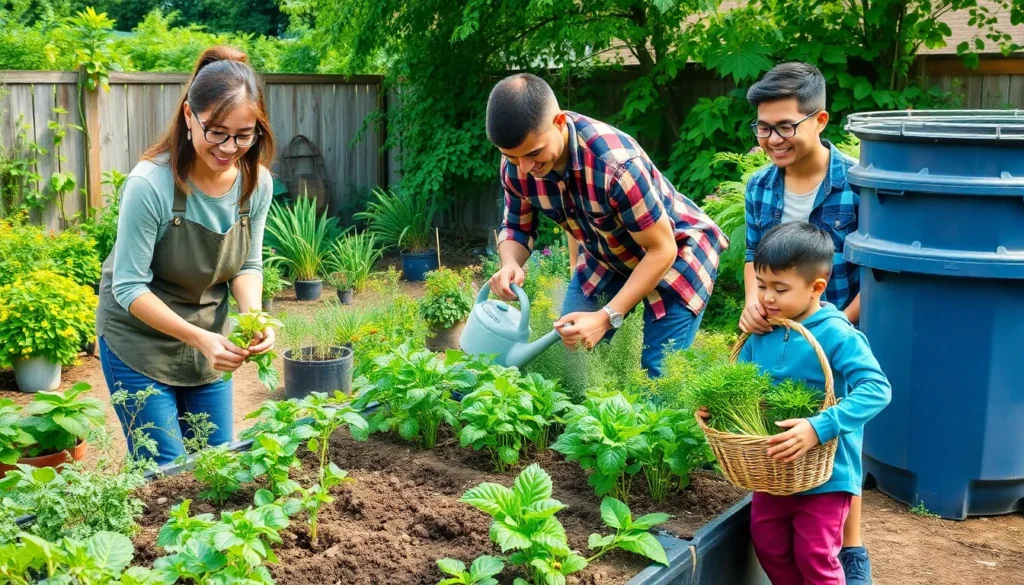
Sustainable living offers multiple advantages encompassing environmental, economic, and health aspects. Individuals and communities experience significant positive transformations by adopting eco-friendly practices.
Environmental Impact
Reducing waste through sustainable practices lowers pollution levels. Using reusable items instead of single-use plastics directly decreases landfill contributions. Composting organic waste enriches soil health while minimizing methane emissions originating from decomposing waste. Practicing energy efficiency lessens carbon footprints significantly. Transitioning to renewable energy sources curtails reliance on fossil fuels, benefiting air quality. Promoting sustainable gardening methods fosters biodiversity, supporting ecological balance and resilience.
Economic Advantages
Adopting sustainable practices generates financial savings in the long run. Reduced energy consumption from efficient appliances contributes to lower utility bills. Growing food at home through sustainable gardening decreases grocery expenses while ensuring fresh produce availability. Supporting local businesses creates stronger economies, reducing transportation costs associated with imported goods. Utilizing public transportation and biking saves money on fuel and vehicle maintenance, allowing individuals to allocate resources elsewhere. Investing in renewable energy solutions, such as solar panels, leads to long-term financial benefits through reduced energy costs.
Health Benefits
Sustainable living enhances health by promoting cleaner environments. Reducing exposure to harmful chemicals in household products supports overall well-being. Consuming locally grown organic foods boosts nutrition while minimizing pesticide exposure and carbon footprints. Engaging in outdoor activities, like biking or walking, improves physical fitness and mental health. Sustainable practices also promote access to green spaces, fostering community engagement and social connections. Prioritizing water conservation results in cleaner water sources, benefiting public health and reducing waterborne illnesses.
Practical Sustainable Living Solutions
Sustainable living encompasses various practical solutions that reduce environmental impact while promoting healthier lifestyles. Here are key areas to explore:
Energy Efficiency Practices
Prioritizing energy efficiency significantly lowers energy consumption. Installing LED light bulbs cuts energy use by up to 75% compared to traditional incandescent bulbs. Using energy-efficient appliances can decrease utility bills and carbon footprints. Home insulation improves energy retention, further supporting cost savings and sustainability. Utilizing smart thermostats allows for precise temperature control, minimizing unnecessary energy waste. Each action contributes to a more sustainable home environment.
Zero-Waste Lifestyle
Adopting a zero-waste lifestyle promotes resource conservation and minimizes environmental footprint. Reusable shopping bags replace single-use plastic bags, while stainless steel containers serve as alternatives to disposable ones. Composting organic materials enriches soil and reduces landfill waste. Choosing package-free items at grocery stores encourages less packaging waste. Support local producers who offer fresh products without excessive packaging. Each step taken fosters a cleaner and more sustainable world.
Sustainable Transportation Options
Exploring sustainable transportation options reduces greenhouse gas emissions. Biking and walking provide healthy alternatives that eliminate carbon footprints altogether. Public transit systems connect communities efficiently while lowering individual environmental impacts. Electric vehicles powered by renewable energy sources represent a cleaner alternative to traditional cars. Carpooling offers additional benefits by decreasing the number of vehicles on the road. Focusing on these options enhances community resilience and promotes a healthier planet.
Challenges in Adopting Sustainable Living
Adopting sustainable living solutions involves various challenges. Individuals face barriers that include misconceptions and financial implications.
Common Misconceptions
Many people believe sustainable living requires significant lifestyle sacrifices. This notion deters them from exploring eco-friendly practices. Some think sustainable alternatives lack convenience or effectiveness. In reality, reusable products often provide better durability than single-use options. Misunderstandings about the availability of resources also persist, with individuals unsure where to find sustainable products. Accessible platforms and local markets increasingly offer solutions. Negative stereotypes surrounding eco-friendly lifestyles further contribute to resistance, leading people to dismiss potential benefits. Clearing up these misconceptions can encourage a more widespread embrace of sustainability.
Cost Considerations
Costs frequently emerge as a significant challenge when adopting sustainable living practices. People often perceive eco-friendly products as more expensive than conventional ones. Initial investments, like energy-efficient appliances, may seem high, yet they usually result in long-term savings. Expenses related to sustainable practices, such as organic gardening or composting systems, can deter interested individuals. Financial incentives and rebates offered for green technologies help mitigate these concerns. Budget-conscious consumers often prioritize short-term savings, overlooking sustainability’s long-term economic benefits. Prioritizing education on costs and savings can motivate more individuals to embrace sustainable living solutions.
Sustainable living solutions offer a pathway to a healthier planet and a brighter future. By embracing eco-friendly practices and making conscious choices, individuals can significantly reduce their environmental impact. The shift towards reusable alternatives and energy-efficient technologies not only benefits the Earth but also enhances personal well-being.
Engaging in community initiatives and supporting local producers fosters resilience and strengthens connections. As awareness grows and education spreads, more people will recognize that sustainable living doesn’t require sacrifice but rather empowers them to make positive changes. Ultimately, every small action contributes to a larger collective impact, paving the way for a sustainable lifestyle that benefits everyone.