
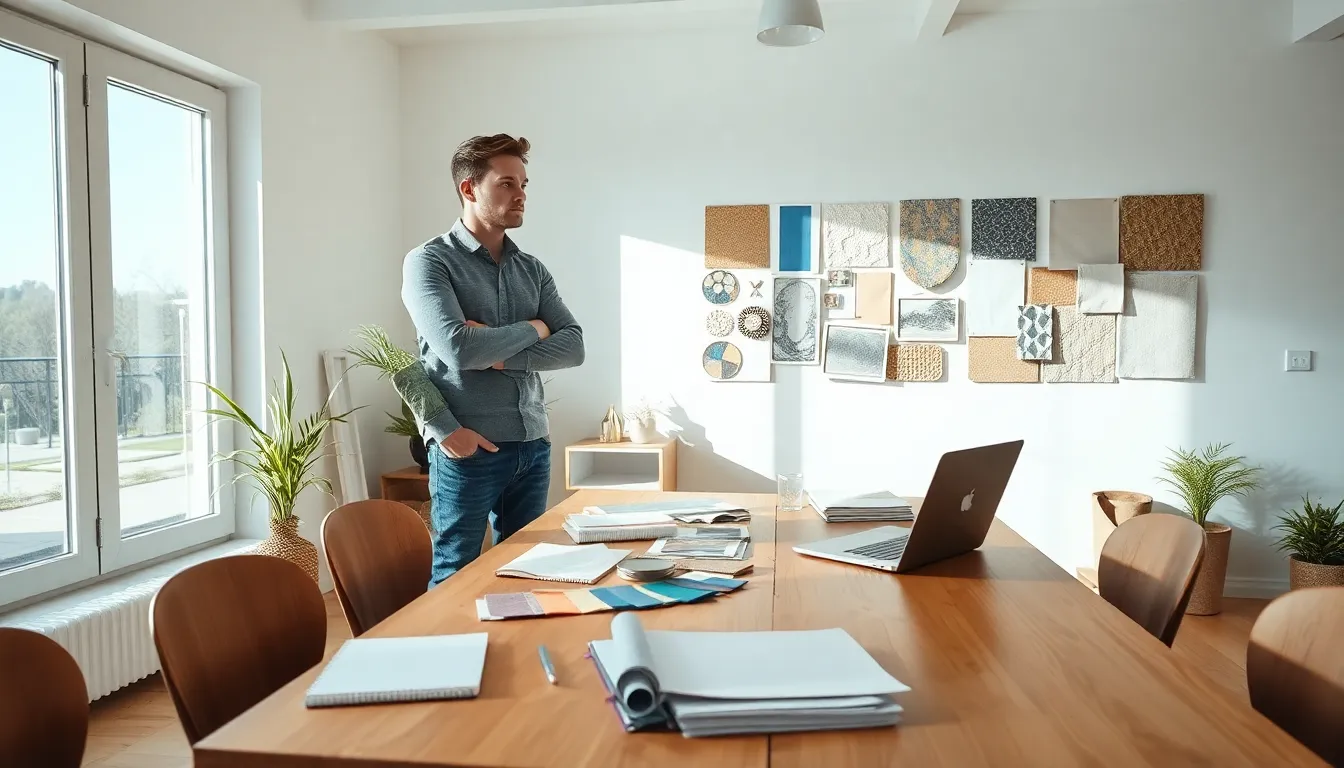
When it comes to transforming a space, decor design construction isn’t just about slapping on a fresh coat of paint and calling it a day. It’s an art form that combines creativity, practicality, and a sprinkle of magic. Imagine walking into a room that not only looks stunning but also feels like it was designed just for you. That’s the power of thoughtful decor design construction.
Table of Contents
ToggleOverview of Decor Design Construction
Decor design construction encompasses various elements that create functional and aesthetically pleasing spaces. This multifaceted approach combines creativity with practical solutions, ensuring spaces fulfill specific needs. Structural integrity often aligns with pleasing aesthetics, making the design process crucial.
Effective decor design begins with careful planning. Designers analyze dimensions, lighting, and overall functionality while considering the client’s vision. Color schemes significantly influence the atmosphere, and appropriate selections can evoke feelings of comfort or excitement.
Materials play an essential role in decor design construction. Natural selections like wood or stone provide warmth, while metal or glass add modern accents. Each material choice brings unique textures and visual appeal to a space.
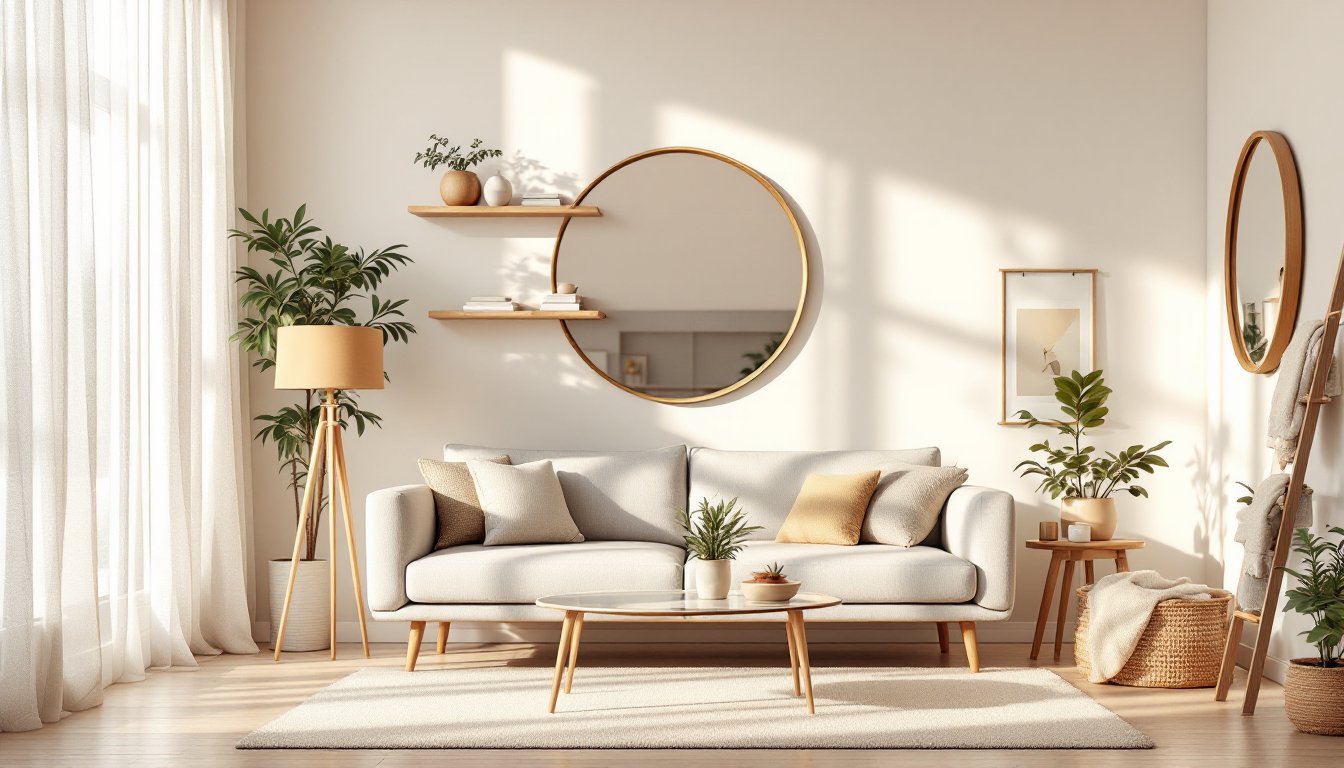
Furniture arrangements optimize space utilization and improve flow. Designers consider traffic patterns and focal points, enhancing the overall dynamics. Incorporating accessories, such as art pieces or plants, further personalizes a space, reflecting individual styles and preferences.
Lighting significantly impacts decor design. Designers utilize ambient, task, and accent lighting to create depth and highlight key features. Layered lighting elevates the overall experience of a space, making it inviting and functional.
Sustainability increasingly emerges as a priority in decor design construction. Eco-friendly materials and energy-efficient solutions minimize environmental impact and promote health-conscious living. Incorporating green design principles can enhance both aesthetics and functionality.
Technology integration into decor design improves control and efficiency. Smart home systems allow for seamless adjustment of lighting and temperature, enhancing comfort. Advancements in technology can transform spaces, bringing modern convenience and style.
Decor design construction is a blend of creativity, practicality, and informed choices. This thoughtful approach results in environments that resonate with personal style and functional needs.
Key Elements of Decor Design
Decor design construction involves several key elements that contribute to the overall ambiance and functionality of a space. Thoughtful choices in both color and materials play a vital role in creating personal and stunning environments.
Color Schemes
Color schemes define the mood of a room. Designers often select colors based on client preferences and the intended atmosphere, ensuring harmony in each space. Warm tones like reds and yellows can create inviting feelings, while cool colors such as blues and greens promote tranquility. Contrasting shades highlight features and add depth. Combining various hues can also enhance visual interest. Trends indicate that monochromatic palettes offer a sleek, modern look, while bold colors make statements. Attention to color associations helps in achieving impactful design outcomes.
Materials and Textures
Materials and textures deeply influence a space’s character and style. Natural materials, like wood and stone, bring warmth and durability, while metals introduce an element of sophistication. Designers often mix textures to create dynamic contrast, enriching the sensory experience. Smooth surfaces can balance rugged materials, enhancing visual appeal. Eco-friendly options have gained popularity, allowing for sustainable choices without compromising aesthetics. Incorporating various textures, such as fabrics or tiles, provides both comfort and interest. Ultimately, selecting the right combination fosters a cohesive and engaging environment.
Designing Functional Spaces
Designing functional spaces requires thoughtful considerations in various areas. Each aspect needs careful attention to optimize both aesthetics and practicality.
Spatial Planning
Effective spatial planning enhances functionality and flow. Designers must analyze room dimensions to determine the best layout. Creating zones within a space fosters efficient movement between areas, offering clear organization. Furniture placement plays a crucial role in maximizing space usability. Consideration of pathways ensures a natural transition through rooms, preventing cluttered environments. Open layouts often encourage social interaction, while defined spaces provide focus for specific activities. Choosing versatile furniture, such as storage ottomans or collapsible tables, can further enhance functionality. Overall, each decision impacts how individuals interact with their surroundings.
Lighting Considerations
Lighting considerations significantly influence the mood and atmosphere of a space. Incorporating a layered lighting approach cultivates visual interest and functionality. Ambient lighting serves as the foundation, illuminating the entire room. Task lighting focuses on specific areas, perfect for reading or working. Accent lighting draws attention to artwork or architectural features, enhancing the overall design. Natural light also plays a key role, creating warmth and energy. Designers often recommend strategically placing mirrors to reflect light, expanding the perception of space. Exploring energy-efficient lighting solutions contributes to sustainability while ensuring well-lit environments. Choices in lighting can transform an ordinary space into an inviting haven.
Trends in Decor Design Construction
Current trends in decor design construction reflect a shift toward sustainability and technology. Designers emphasize eco-friendly practices that minimize environmental impact while maximizing aesthetic appeal.
Sustainable Practices
Sustainable practices prioritize the use of renewable materials, such as reclaimed wood and recycled metals. Eco-conscious designers increasingly incorporate low-VOC paints to improve air quality while reducing harmful emissions. Green roofs, vertical gardens, and native plant landscaping enhance both aesthetics and functionality. Energy-efficient fixtures and appliances help conserve resources without sacrificing style. Additionally, the integration of biodegradable materials contributes to the overall sustainability of a project.
Technology Integration
Technology integration revolutionizes interior design. Advanced home automation systems control lighting, heating, and security for enhanced convenience. Smart devices, such as voice-activated assistants and programmable thermostats, offer precise control over living spaces. Augmented reality (AR) tools enable clients to visualize designs in real-time, improving client engagement and satisfaction. Virtual reality (VR) services allow for immersive design experiences, ensuring that spatial layouts meet client expectations. These technological advancements transform decor design construction into a more efficient, engaging process.
Decor design construction is an art that combines creativity with functionality. It transforms spaces into reflections of personal style while considering practical needs. By focusing on elements like lighting, color schemes, and sustainable materials, designers create environments that resonate with both beauty and purpose.
The integration of technology further enhances these designs, providing innovative solutions that improve user experience. As trends evolve, the emphasis on sustainability and smart design continues to shape the future of interior spaces. Each project becomes a unique journey that balances aesthetics with everyday usability, proving that thoughtful design can truly elevate any environment.