

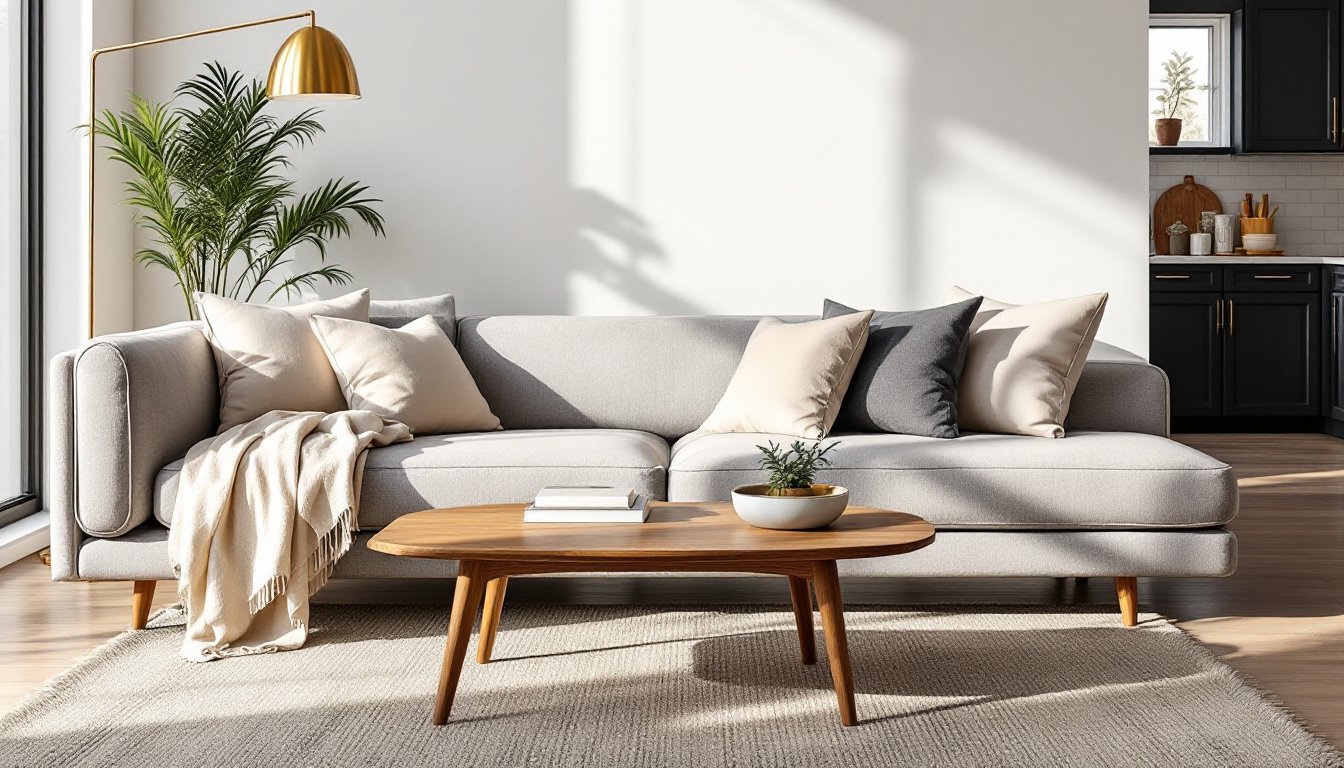
A sofa isn’t just furniture, it’s where your family gathers, where you collapse after a long day, and where guests form their first impression of your home. Yet choosing the right sofa design for your living room trips up most homeowners. You’re caught between style, comfort, durability, and budget, often with conflicting advice from every direction. This guide cuts through the noise with practical steps to select a sofa that works for your actual life, not a magazine spread. Whether you’re replacing a worn piece or furnishing a new space, you’ll learn how to measure, evaluate fabrics, pick colors that last, and position your sofa for both comfort and flow.
Table of Contents
ToggleKey Takeaways
- Sofa design for your living room depends on balancing style, comfort, durability, and budget—prioritize frame quality and fabric durability over trendy looks that will feel dated quickly.
- Measure your space precisely, including doorways and traffic paths, before shopping; a 90+ inch sofa is useless if it can’t fit through your home or layout.
- Choose performance fabrics (25,000+ rub count) if you have kids or pets, and test colors under your actual home lighting, not showroom lighting, to avoid costly color disappointment.
- Seat depth (30–36 inches) and cushion firmness (medium to medium-firm) directly impact both comfort and long-term durability, so sit on floor models for at least five minutes before deciding.
- Use your sofa as the anchor for your entire living room; pair a neutral sofa with layered pillows, throws, and rugs to add interest without permanent design commitment.
- Inspect hardwood frames and eight-way hand-tied springs as they determine a sofa’s lifespan and repairability—these investments separate a ten-year keepsake from a five-year regret.
Understanding Sofa Styles And Shapes
Sofa styles break down into a handful of core categories, each with different footprints and functionality. The sectional is the workhorse, it wraps around a corner or extends along a wall, offering maximum seating and a casual vibe. A sleeper sofa doubles as a guest bed and saves floor space in smaller homes. The loveseat seats two comfortably and fits snug living rooms. A standard three-seat sofa is the classic middle ground: about 84 inches wide, it suits most layouts without overwhelming the room.
Beyond size, think about arm style. Track arms sit perpendicular to the seat and offer a modern, clean silhouette. Rolled arms are traditional and softer. Apartment arms are shallow, ideal if space is tight or you want a streamlined look. English rolled arms feel formal and plush.
The depth of the seat matters more than people realize. A deep seat (36+ inches) feels sink-into-able but eats floor space and can be hard to get out of if you have mobility concerns. A shallow seat (30–34 inches) looks tailored and fits smaller rooms but won’t let you fully recline. Standard depth runs 34–36 inches, a safe middle ground. Don’t just eyeball it: measure the sofa’s actual seat depth in-store or from the spec sheet, not the overall depth.
Measuring Your Space And Planning Layout
Before you shop, grab a tape measure and sketch your living room to scale. Measure the wall where the sofa will sit, account for windows, doors, outlets, and architectural features. Remember: nominal lumber and furniture dimensions often differ from actual ones. A 90-inch sofa might measure slightly different in real space depending on frame construction and cushioning.
Also measure doorways, stair landings, and hallways the sofa must pass through. A 96-inch sectional is useless if it can’t get into your living room. Ask the retailer for delivery logistics: some offer white-glove service that includes maneuvering around tight spaces.
Plan your layout before buying. Leave at least 18 inches between the sofa and a coffee table, and 8–10 feet across the room if you want to walk comfortably. If your room flows into a kitchen or dining area, a low-profile sofa and open layout work better than a deep sectional that blocks sightlines. Sketch focal points, the TV, a fireplace, a view, and orient the sofa to face the primary gathering zone. Measure the traffic path through the room to ensure the sofa doesn’t become an obstacle.
Selecting Fabric And Durability For Your Lifestyle
Fabric choice defines how long your sofa survives actual life. If you have kids, pets, or a light-colored aesthetic, a delicate silk velvet will disappoint within months. Performance fabrics, synthetic blends engineered to resist stains and wear, are the workhorse of family living rooms. Brands like Sunbrella and Crypton use tight weaves and stain treatments to handle spills, pet claws, and heavy use.
Natural fabrics like linen and cotton age beautifully but require more care. Linen pills with abrasion and shows water rings. It’s romantic for guest rooms, not for high-traffic family sofas. Leather (genuine or faux) is durable and easy to wipe clean, but it stains differently and can crack in dry climates.
Always check the sofa’s rub count, a standardized measure of fabric durability. Home furniture typically starts at 15,000 double-rubs (one rub = one back-and-forth motion): 25,000+ is heavy-duty: 50,000+ approaches commercial-grade. Heavy upholstery (14+ ounces per square yard) resists wear better than light fabric. Ask for a swatch, spill liquid on it, and see how it responds. Real performance shows in the details, not just marketing claims.
Color And Pattern Considerations For Long-Term Appeal
Colors that dazzle in a showroom can feel dated or claustrophobic in your home. Neutrals, grays, beiges, taupes, and whites, anchor a room and pair with changing accessories. A neutral sofa also hides dust and wear between cleanings better than dark charcoal or light cream. Dark colors show lint and pet hair: very light ones stain visibly.
Bold colors and large patterns commit you to a design direction for 5–10 years (the typical sofa lifespan). If you love jewel tones or botanical prints, choose a solid sofa and layer pattern through pillows, throws, and a rug on carpet, these are cheaper to swap when trends shift. This approach also matches the philosophy behind designing a rug on carpet living room to create visual interest without permanent commitment.
Consider undertones. A gray with warm undertones (taupe-gray) feels cozy: cool-gray can feel cold and institutional. Match your undertone to the room’s lighting, warm lights favor warm neutrals, cool lights pair with cool tones. Test the color under your actual lighting at different times of day before committing. Showroom lighting is brighter and often warmer than home lighting, which can throw color perception off significantly.
Balancing Comfort, Function, And Aesthetic
A sofa must look good, feel good, and do its job. Cushion firmness is personal, but consider longevity: very soft cushions compress and sag within a few years: very firm ones feel like sitting on concrete. Medium to medium-firm holds its shape longer. Ask to sit on floor models for at least five minutes, quick tests don’t reveal how your back and hips feel over time.
Inspect the frame. Hardwood frames (oak, maple, birch) resist warping and last decades. Engineered wood and particleboard fail faster and are harder to repair. Check if the frame is kiln-dried, this removes moisture and prevents splitting. Eight-way hand-tied springs or sinuous springs with premium coil count (at least 2-turn coils) support weight better than cheap wire coils. More expensive sofas often justify their price through frame quality and spring construction, not just fabric.
Functionality matters: Does the sofa have a reversible chaise? Do the cushions detach for cleaning? Can you upgrade legs later? These details separate a sofa you’ll repair and keep for ten years from one you’ll curse in five. Resources like stylish and comfortable sofa ideas showcase real-world sofas that balance all three elements, not just aesthetic appeal.
Creating A Cohesive Living Room Design Around Your Sofa
Your sofa is the anchor. Everything else, walls, flooring, accent furniture, lighting, should support it. Start with a color story: pick the sofa first, then select wall paint, a rug, and accent chairs that complement, not compete. A neutral sofa pairs with almost anything, so you’re not locked in. Bold sofas demand restraint elsewhere: keep walls, rugs, and trim simple so the sofa stays the star.
Layering is key. Pillow covers, throws, and a white rugs for living room (if that suits your palette) soften hard lines and add visual warmth. A coffee table scaled to your sofa (not tiny, not enormous) grounds the seating area. Proper lighting, overhead, task, and accent, prevents dark corners and highlights your sofa’s best angles.
Proportions matter. A tiny sofa in a sprawling living room feels lost: a massive sectional in a small space overwhelms. A helpful rule: your sofa should occupy about 25–35% of the wall it faces. If the room has high ceilings or feels cavernous, taller furniture and vertical elements (tall lamps, shelves) help balance the scale. Design inspiration sites like MyDomaine and 45 living room sofa ideas showcase how professional designers tie sofas into cohesive spaces, offering ideas you can adapt to your own room.
Conclusion
Choosing the right sofa means measuring twice, sitting long, and thinking beyond the color. Prioritize frame quality and fabric durability over trendy looks, position it for your actual traffic flow, and select colors and fabrics that work for your lifestyle. A well-chosen sofa becomes the heart of your living room for years, it’s worth the upfront research.