

Minimalist living room design isn’t about deprivation or cold, empty spaces, it’s about intentionality. Every piece in the room has a purpose, and every purpose serves your comfort and peace of mind. As homeowners increasingly push back against overconsumption, minimalism offers a refreshing counterpoint: a living room that breathes, invites relaxation, and makes cleaning day actually manageable. Whether you’re starting from scratch or editing down what’s already there, a minimalist approach gives you more freedom with your space than you might expect. This guide walks you through the principles, the practical steps, and the decisions that transform a living room into a calm, functional sanctuary.
Table of Contents
ToggleKey Takeaways
- Minimalist living room design prioritizes intentionality and function, where every item serves a purpose and contributes to a calm, functional sanctuary rather than creating sterile, empty spaces.
- Effective minimalist living room design requires maintaining 30–40% open floor space, selecting multi-functional furniture with clean lines, and floating pieces away from walls to enhance both spaciousness and visual clarity.
- A neutral color palette of whites, grays, and warm taupes with layered textures—undyed linen, raw wood, and concrete—creates visual interest while supporting the minimalist aesthetic.
- Decluttering should follow a systematic approach: imagine the space empty, categorize items into keep/donate/sell/trash, edit ruthlessly, establish designated zones, and adopt a one-in-one-out rule to maintain intentionality long-term.
- Essential furniture includes a single sofa or paired chairs, a low media console, minimal side tables, and one storage unit, while decor should be limited to one or two wall art pieces, layered lighting, and a maximum of two accent pillows to preserve visual calm.
What Is Minimalist Living Room Design?
Minimalist living room design prioritizes function and simplicity over decoration for decoration’s sake. It’s a deliberate approach where you keep only what you truly need or genuinely love, and everything else exits the space. The goal isn’t a barren, institutional look, it’s a curated environment where negative space is as important as the objects you keep.
Minimalism works because it reduces cognitive overload. Your brain processes every item in your field of vision: a room packed with trinkets, throws, and mismatched furniture drains mental energy before you even sit down to relax. A minimalist living room, by contrast, invites calm focus. This design philosophy gained real traction over the past decade, and by 2026, it’s become a practical choice for people who value both aesthetics and sanity.
It’s worth noting that minimalism isn’t one-size-fits-all. Your version might include a gallery wall of meaningful art, while someone else’s is pure white walls and four pieces of furniture. The common thread isn’t sterility, it’s intention. Every item earns its place.
Core Principles of Minimalist Design
The foundation of minimalist living room design rests on a few non-negotiable principles that guide every decision, from furniture selection to wall treatment.
Less Is More: Furniture and Layout
Start by understanding that empty floor space is a design feature, not wasted real estate. In a minimalist living room, you’re aiming for roughly 30–40% open floor area, enough that the eye can rest and movement feels uncluttered.
Furniture selection means choosing pieces that do more than one job. A low-profile storage bench under the window offers seating, hidden storage, and visual lightness because it doesn’t block sightlines the way a bulky sectional would. A simple wooden console table can serve as a TV stand, display surface, and subtle room divider without overwhelming the space. Aim for furniture with clean lines and minimal ornamentation: think Scandinavian or mid-century modern styles rather than ornate or heavily upholstered pieces.
Layout matters enormously. Position furniture to define zones, seating area, media zone, conversation corner, but keep pathways clear and sightlines open. A single sofa facing a TV console, paired with one accent chair and a side table, is often enough. Floating furniture slightly away from walls (rather than pushing everything to the perimeter) paradoxically makes a room feel larger and more intentional.
Color Palettes and Neutral Tones
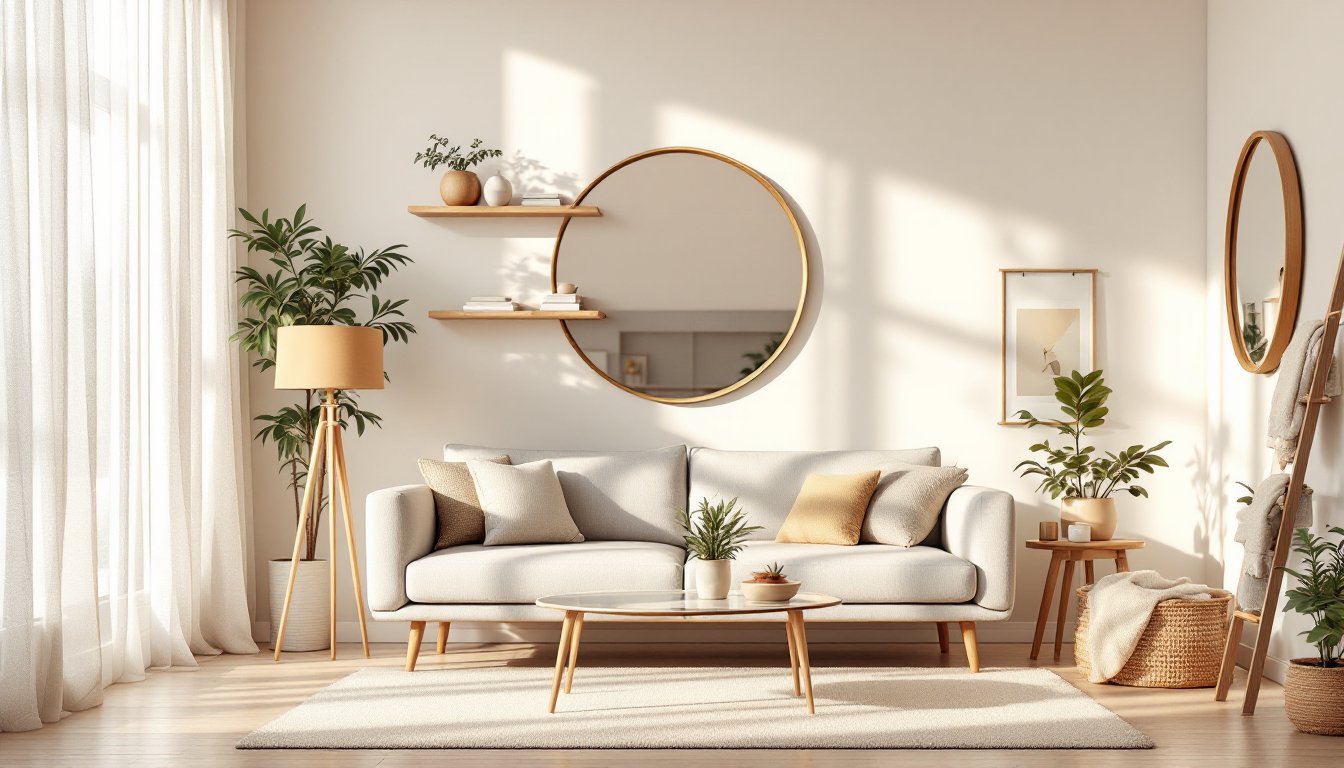
Minimalist interiors typically lean on a neutral foundation: whites, grays, beiges, soft blacks, and warm taupes. This doesn’t mean bland. Natural materials like undyed linen, raw wood, and concrete introduce texture and warmth within a restrained palette.
A typical minimalist color scheme works like this: designate one neutral base (walls, large furniture) as your 60% color. Choose a secondary neutral (perhaps a slightly darker or warmer shade) for 30% of the room, flooring, larger accent pieces. Reserve 10% for accent colors, which you can shift seasonally without major investment. For instance, white walls (60%), gray upholstery (30%), and rotating throw pillows or artwork in soft blues or muted greens (10%) create flexibility and visual interest.
Consider how natural light interacts with your chosen palette. North-facing rooms benefit from warmer neutrals to avoid feeling cold, while south-facing rooms can handle cooler grays without losing warmth. The key to modern home decor lies partly in understanding how color and light work together in your specific space.
Practical Steps to Declutter Your Living Room
Decluttering isn’t a weekend project, it’s a methodology. Here’s how to approach it without feeling overwhelmed.
Step 1: Clear the room mentally. Before you touch anything, imagine your space completely empty. What would you put back first? That’s usually a clue to what truly matters.
Step 2: Categorize everything. Pull every item from shelves, storage, and surfaces and sort into four piles: keep, donate, sell, and trash. Be honest. If you haven’t used it in two years and it doesn’t spark genuine joy or serve a function, it goes.
Step 3: Edit ruthlessly. This is where minimalism gets real. If you have five throw pillows, try keeping two. If you have eight picture frames, display three. The impulse to keep “just in case” is decluttering’s enemy. Resist it.
Step 4: Establish zones for what stays. Designate specific spots: a basket for remotes, a single shelf for coffee table books, a narrow console for keys and mail. Everything has an address, which makes it easier to maintain minimalism long-term.
Step 5: Commit to the one-in, one-out rule. Once you’ve decluttered, adopt this practice: when you bring a new item into the room, something of similar size leaves. This prevents creeping clutter and keeps the space intentional.
The design of house decor should reflect what you actually use and love, not what you think you should have.
Choosing Essential Furniture and Decor
Once decluttered, your living room likely feels sparse, maybe too sparse. This is the moment to add back the pieces that define comfort and function for your household.
Essential furniture pieces:
- Seating: One sofa or two paired chairs (not both). Choose a neutral, durable fabric that suits your lifestyle. Leather or performance fabric works well in minimalist spaces because it’s easy to maintain and ages gracefully.
- Media console or TV stand: Keep it low and simple. A wall-mounted TV eliminates the need for a stand, which frees floor space, a smart move in minimalist design.
- Side tables: One or two small tables (wood or metal) for beverages, books, or a single decorative object. Avoid glass unless it’s truly tempered or reinforced: reflections can make a space feel chaotic.
- Storage: A single credenza or low shelving unit with closed doors hides necessities (charging cables, blankets, remotes) while maintaining visual calm.
Decor essentials:
- Wall art: One large piece or a paired set of two smaller frames creates focal interest without clutter. Canvas, framed prints, or even a single architectural photograph work well. Avoid gallery walls or salon-style arrangements in strict minimalist spaces.
- Lighting: A floor lamp and one table lamp provide warm, layered light without the chaos of multiple fixtures. Choose fixtures with simple lines and matte finishes.
- Textiles: One throw blanket (neutral or subtle pattern) and two accent pillows maximum. A white rug for the living room grounds the seating area and reinforces the light, open aesthetic. Natural fibers like wool or linen age beautifully and align with minimalist values.
- Plants: One or two potted plants add life and improve air quality without demanding visual attention. A fiddle-leaf fig or pothos in a simple ceramic pot works well.
Avoid small decorative objects, collectibles, and miscellaneous knickknacks. If you love something, display it clearly on a shelf or table: if you feel the need to tuck it away, it doesn’t belong in your minimalist living room.
Lighting and Spatial Flow in Minimalist Spaces
Lighting dramatically shapes how a minimalist living room feels. Poor lighting makes sparse spaces feel cold or institutional: good lighting makes them feel intentional and welcoming.
Layered lighting is essential. Aim for three types:
- Ambient light: Overhead fixtures or recessed lighting that provides general illumination without harshness. Dimmer switches let you adjust intensity throughout the day.
- Task light: A floor lamp near seating or a table lamp for reading ensures you’re not straining your eyes.
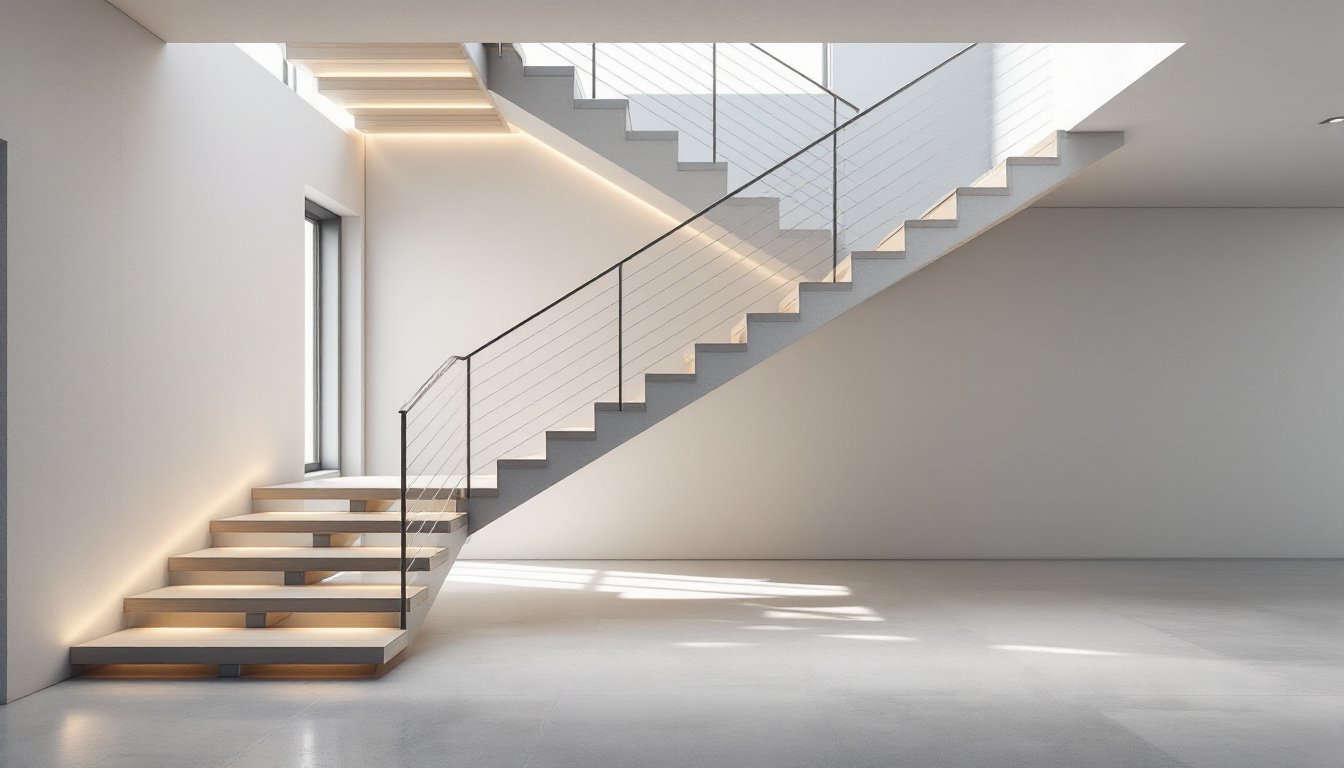
- Accent light: Optional but effective, a wall sconce or subtle under-shelf lighting draws attention to an architectural feature or adds warmth to a corner.
Choose fixtures with simple silhouettes. Brass, matte black, or natural wood pairs well with minimalist aesthetics. Avoid ornate chandeliers or anything with excessive detailing, they fight against the simplicity you’ve worked to achieve.
Spatial flow refers to how easily your eye and body move through the room. In minimalist design, sightlines are clear: you can see from the entryway to the far wall without obstacles. Furniture floats slightly away from walls, creating breathing room. Traffic paths (the natural routes you walk) should feel obvious and unobstructed.
The arrangement serves functionality. If your living room is primarily for conversation, position seating to face one another. If it’s for media consumption, orient chairs toward the TV but not so rigidly that the room feels cold. Modern interior design, as explored on design inspiration platforms, increasingly emphasizes this balance between form and lived experience.
Consider how a rug on carpet can define zones without adding visual clutter. A simple, neutral area rug anchors the seating area and visually expands the perceived space. Choose a natural fiber in a subtle weave or tone-on-tone pattern, busy prints undermine the minimalist aesthetic.