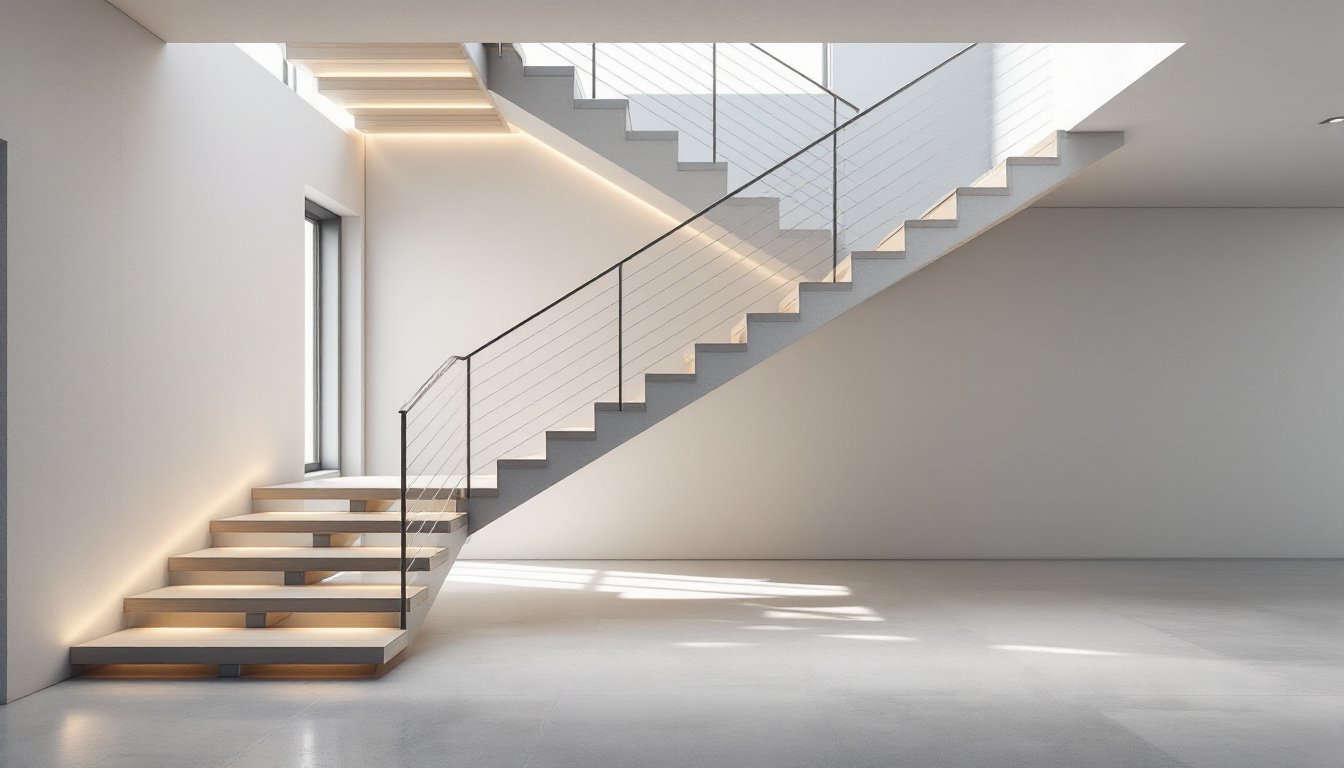


Your living room ceiling is often overlooked, yet it has enormous power to transform the entire feel of the space. A thoughtfully designed ceiling draws the eye upward, creates depth, and sets the tone for everything below it. Whether you’re working with a modest 8-foot basement finish or planning a dramatic renovation, ceiling design for living rooms has evolved far beyond plain drywall. From tray ceilings that add architectural interest to exposed beams that bring rustic warmth, the right choice depends on your home’s style, your DIY skill level, and your budget. This guide walks you through the most practical and impactful ceiling options homeowners are installing today, with honest advice on difficulty, costs, and when to call in a pro.
Table of Contents
ToggleKey Takeaways
- Ceiling design for living rooms transforms the entire space by drawing the eye upward, creating depth, and setting the tone—making it far more impactful than drywall alone.
- Tray ceilings add visual interest and make rooms feel taller, with costs ranging from $800 to $3,000 depending on size and finish details like recessed lighting.
- Coffered ceilings deliver classic elegance and architectural drama, costing $400–$4,000 depending on whether you use lightweight foam panels or solid wood construction.
- Exposed beams (whether faux or structural) instantly evoke warmth and character; faux beams are DIY-friendly at $200–$800 per beam, while real beams require structural engineering and cost $3,000–$8,000.
- Strategic lighting integration—recessed fixtures, cove lighting, or statement chandeliers—completes any ceiling design and transforms it from a static background into a dynamic design element.
- Simple paint or texture upgrades deliver immediate, affordable impact ($150–$400 in materials), making them an ideal starting point for homeowners on a tight budget.
Tray Ceilings: Adding Dimension and Depth
A tray ceiling (also called a coffered or step ceiling) is a recessed center section framed by a raised perimeter. It instantly adds visual interest and makes rooms feel taller than they are. The tray sits 12 to 24 inches lower than the outer ceiling, creating that signature step effect.
Building a tray ceiling requires careful framing before drywall. You’ll need to install a soffit, a dropped box frame that runs the perimeter, using 2×4 lumber as the outer wall and 2×6 or 2×8 as the inner support joist. The gap between the outer and inner frame becomes your recessed center. Make sure all lumber is properly acclimated to your home’s humidity for at least 48 hours before installation to prevent warping.
This is a moderately complex project if you’re framing from scratch. You’ll need a stud finder, drywall lift (or helper), and knowledge of hanging and taping drywall. If you’re comfortable running drywall and mudding joints, you can tackle it yourself. But, if electrical work is involved, and trays often hide recessed lighting, you may need a licensed electrician. Always check local building codes: some jurisdictions require permits for structural changes, even cosmetic ones.
Cost typically ranges from $800 to $3,000 depending on room size and finish details (paint, crown molding, lighting integration). The payoff is significant: tray ceilings make living rooms feel more spacious and upscale without major structural work.
Coffered Ceilings: Classic Elegance Meets Modern Appeal
A coffered ceiling features a grid pattern of recessed or raised squares (the coffers), creating a dramatic, library-like aesthetic. It’s the ceiling equivalent of bold architectural detail. Modern coffered designs range from deep, ornate grids to simple, minimal box frames.
Coffered ceilings are labor-intensive but not necessarily complicated. Most DIY-friendly versions use decorative foam or PVC coffered panels that attach directly to an existing ceiling with adhesive and fasteners. These lightweight panels avoid the framing complexity of solid wood or plaster coffers. Alternatively, you can build coffers from 1×4 or 1×6 pine/poplar, creating a grid with mitered corners and paint-grade finishes.
For a paint-grade approach, you’ll need a miter saw for precise 45-degree cuts at corners, a pneumatic nailer, spackling compound, and quality primer and paint. The layout matters enormously: measure your ceiling precisely and snap chalk lines before fastening a single board. Uneven spacing looks amateurish. This project works best in rooms 12×14 feet or larger: small rooms can feel cramped with heavy coffer patterns.
Foam or PVC panels cost $400–$1,500 installed: solid wood coffers run $1,500–$4,000 or more depending on finish quality and complexity. The visual impact is unmatched, and a well-executed coffered ceiling adds real resale value to a home.
Exposed Beams: Rustic Charm and Structural Beauty
Exposed beams instantly evoke warmth and character, whether reclaimed, faux, or authentic structural members. True structural beams are load-bearing and often hidden above a ceiling: exposing them requires careful structural assessment and sometimes engineered support modifications. Faux beams, on the other hand, are decorative and much simpler to install.
Real exposed beams require a structural engineer to confirm the ceiling can handle the load once the soffit is removed. This isn’t a weekend DIY job, it’s a project requiring permits and professional review in most jurisdictions. If you’re buying a house with exposed beams or working in an older home where they’re already present, inspect for rot, pests, and structural soundness before celebrating the look.
Faux timber beams made from lightweight composite material or hollowed wood are far more DIY-friendly. They attach to the ceiling with brackets and fasteners, requiring only basic carpentry skills. Products like hand-hewn beam replicas in various species (oak, hickory, cedar) and finishes give authentic character without weight concerns. Installation involves marking joist locations, installing mounting brackets, and fastening beams with galvanized hardware.
Costs vary dramatically: faux beams run $200–$800 per beam installed: exposing structural beams can cost $3,000–$8,000 with engineering and labor. For rustic or farmhouse living rooms, a few strategically placed faux beams often deliver 80% of the visual impact at a fraction of the cost and effort.
Textured and Painted Finishes: Color and Pattern Options
Sometimes the simplest ceiling upgrade is a fresh coat of paint or texture. Many living rooms default to flat white ceilings, but bold color, subtle texture, or strategic finishes completely reshape a room’s personality.
Color on ceilings feels risky but works beautifully when done intentionally. Deep navy, warm charcoal, or rich forest green can make a room feel cozier and more intimate. Paint ceilings with semi-gloss or satin finishes (flat paint shows every imperfection and dust speck). Prep is critical: fill all cracks and gaps with caulk, sand smooth, prime with a bonding primer, and use a pole roller to ensure even coverage. Expect 2–3 coats for solid coverage on colored ceilings.
Textured finishes hide imperfections better than smooth paint. Popcorn texture (acoustic spray) was standard decades ago but has fallen out of favor due to dust-catching properties and difficulty removing it. Modern alternatives include interior design tips from MyDomaine for subtle knockdown or orange-peel textures applied with a spray gun or roller. These catch light beautifully and add dimension without looking dated. If your home was built before the 1980s, test popcorn texture for asbestos before disturbing it.
Painted finishes cost minimal money but require patience and precision. A gallon of ceiling paint covers roughly 350–400 square feet at one coat. Budget $150–$400 in materials for a typical living room and a full day of work. The transformation is immediate and surprisingly impactful.
Acoustic and Drop Ceilings: Practical Solutions for Sound Control
Acoustic ceiling tiles and suspended drop ceilings solve real problems: sound absorption, easy concealment of wiring and ductwork, and straightforward installation. They’re common in basements and utility spaces but less popular in formal living areas due to dated aesthetics.
Acoustic tiles (typically 2’×2′ or 2’×4′) are pressed mineral fiber with sound-dampening properties. They attach to a suspended grid system made of lightweight steel or aluminum channels. Installation requires minimal tools: a utility knife, tape measure, and basic carpentry knowledge. Measure the room carefully, snap chalk lines for grid placement, hang the main runners, then install cross-tees and tiles. Acoustic ceilings lower actual ceiling height by 4–8 inches, which matters in rooms with 8-foot ceilings already.
Modern acoustic tiles come in cleaner aesthetics than the yellow, stained tiles of the 1970s. Textured or smooth finishes in white, light gray, and even subtle colors exist. Some are moisture-resistant or fire-rated, useful in basements or kitchens. But, acoustic tiles trap dust and must be vacuumed or replaced periodically.
For living rooms specifically, acoustic ceilings feel more commercial than residential. Better sound-absorption options include strategically placed living room ceiling ideas from Houzz that combine design and function, or installing absorption panels within a gypsum drywall ceiling using rockwool or fiberglass batts behind the finish layer. This maintains a finished drywall look while improving acoustics. Drop ceilings cost $300–$1,500 installed: integrated sound control in a standard drywall ceiling costs $400–$2,000 but feels less industrial.
Lighting Integration: Creating Ambiance With Strategic Ceiling Fixtures
The best ceiling design is incomplete without thoughtful lighting. Recessed fixtures, cove lighting, pendant clusters, and chandeliers all interact with your ceiling choice to set mood and function.
Recessed lights (can lights) sit flush with the ceiling and don’t interrupt sightlines. They’re practical for ambient and task lighting but provide harsh, shadow-casting light if overused. Install them on a dimmer switch for flexibility. Newer LED recessed fixtures generate minimal heat, fit into shallow ceiling cavities, and last 25,000+ hours. For a 400-square-foot living room, 4–6 strategically placed recessed lights (16–20 inches from walls, spaced 4–6 feet apart) provide even ambient light without overwhelming the space.
Cove lighting, hidden LED strips tucked into a ledge or soffit where the ceiling meets the wall, creates indirect, ambient glow. It’s gorgeous paired with tray or coffered ceilings. Run LED strips on dimmer switches for mood control. Installation requires running low-voltage wiring behind the soffit or wall ledge: if you’re uncomfortable with electrical work, hire a licensed electrician.
Statement chandeliers or pendant clusters work beautifully in coffered or tray ceilings, acting as focal points. Scale matters: a chandelier should be one-third the width of the room for visual balance. Always verify ceiling strength and use proper ceiling braces (not just drywall anchors) for heavy fixtures.
Lighting costs range from $300 (basic recessed retrofit) to $2,000+ (custom cove lighting with dimmer controls and installation). The payoff is enormous: lighting transforms your ceiling from a static background into a dynamic design element. Pair it with professional design consultations from home décor guides at Homedit for inspiration on fixture placement and styles.
Conclusion
Ceiling design for living rooms isn’t an afterthought, it’s a foundational element that shapes how a space feels. Whether you choose a tray ceiling for subtle dimension, exposed beams for character, or simply a bold paint color paired with strategic lighting, the key is intentional planning matched to your skill level and budget. Start with a clear vision, invest time in prep work, and don’t hesitate to bring in professionals for electrical, structural, or complex framing tasks. Your ceiling deserves as much thought as your furniture, and the results will show.