
Tiny homes are no longer niche experiments, they’re a legitimate housing solution for affordability, sustainability, and intentional living. Whether you’re drawn to the lower costs, reduced environmental footprint, or the challenge of thoughtful design, building a tiny home requires a different mindset than conventional construction. This guide walks you through the essentials: from understanding what makes a tiny home work, to navigating permits, choosing materials, and integrating sustainable features. You’ll get honest advice on difficulty levels and when to bring in professionals, so you can plan a build that fits both your vision and your reality.
Table of Contents
ToggleKey Takeaways
- Building a tiny home requires understanding local zoning and permits first, as violations can kill resale value and create legal liability before you break ground.
- Tiny homes typically save 30–50% on utilities compared to conventional houses, making them a cost-effective and sustainable housing solution for intentional living.
- Smart design strategies like vertical storage, multi-functional zones, and open sight lines maximize your usable space without making your tiny home feel cramped.
- Invest in quality insulation and a tight building envelope (targeting 3–4 ACH50 air leakage) to reduce heating and cooling loads in your compact space.
- High-efficiency systems—LED lighting, heat pumps, tankless water heaters, and low-flow fixtures—deliver the biggest return on investment for sustainable tiny home living.
- Choose durable materials and construction methods (stick-built, panelized, or kit homes) that match your skill level and budget, prioritizing structural integrity over cosmetic finishes.
Understanding Tiny Home Fundamentals and Benefits
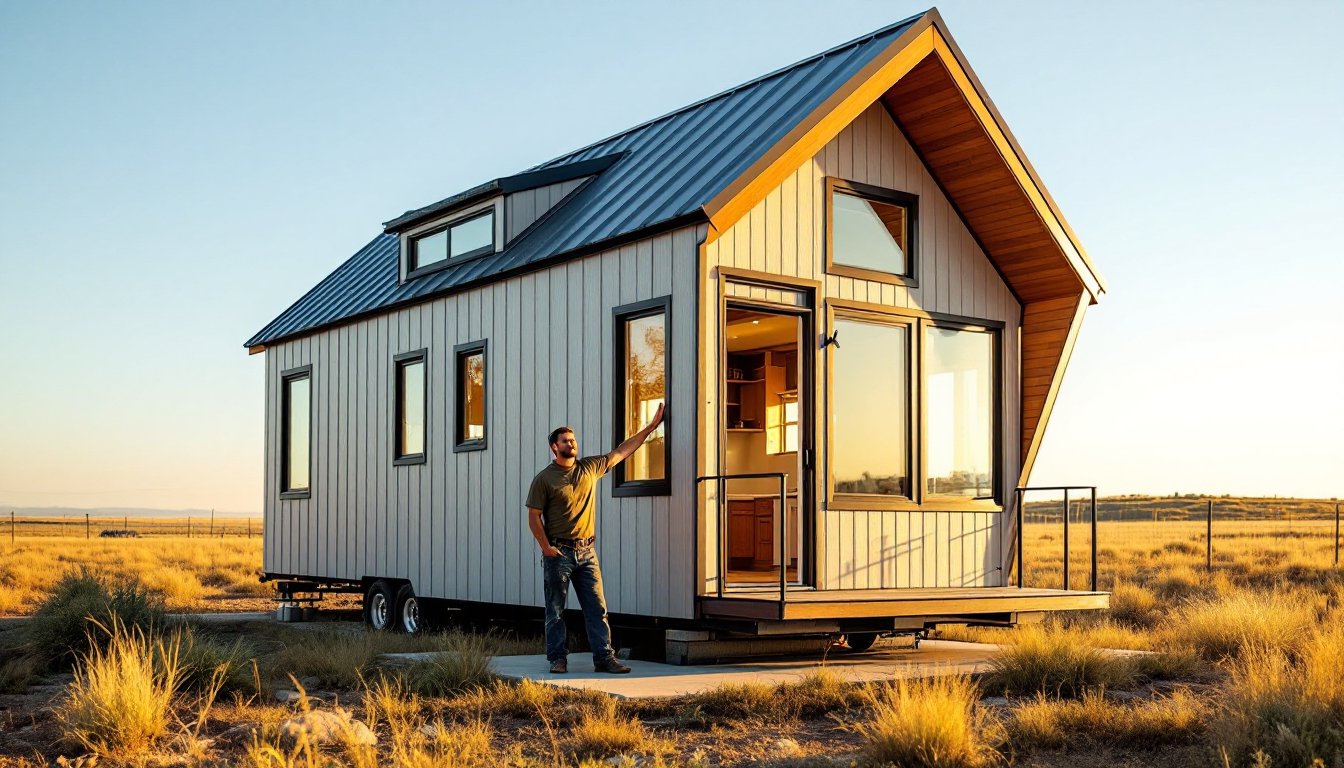
A tiny home is typically defined as a dwelling between 100 and 400 square feet, though definitions vary by jurisdiction. The appeal goes beyond mere size: intentional layouts, reduced utility bills, lower property costs, and minimal maintenance draw people seeking a simpler lifestyle. Many tiny homeowners report spending 30–50% less on utilities compared to conventional houses, largely because there’s less volume to heat, cool, and light.
The durability and resale value of tiny homes have improved dramatically in recent years. Early skeptics have been proven wrong by data showing that well-built tiny homes hold value and attract a growing market. That said, financing and zoning remain the biggest hurdles. Most conventional mortgages don’t apply to tiny homes: you’ll often need personal loans, RV loans, or cash. Before you break ground, research local zoning codes, some jurisdictions ban tiny homes outright, while others have created entire tiny home communities with clear regulations.
Build quality matters enormously. A tiny home compressed into 200 square feet must use every inch intelligently and withstand the same weather, weight loads, and wear as a 2,000-square-foot house. Corners cut on framing, insulation, or roofing become exponentially more expensive to fix later.
Planning Your Tiny Home Design and Layout
Start with a detailed floor plan, sketch it out on paper or use free online tools like Sketchup. Measure your site if you have one already: if not, understand the constraints where your tiny home will sit. Will it be on a permanent foundation, a trailer, or a pier-and-beam system? This decision affects building codes, utilities, and long-term practicality.
Consider the three zones every tiny home needs: sleeping, living, and working. Even if these blend visually, they must exist functionally. A 250-square-foot home doesn’t work if the bedroom doubles as the kitchen, you’ll suffocate during cooking and never escape noise. Loft bedrooms above the living area work well if ceiling height allows: otherwise, a defined sleeping nook at one end, with living and kitchen in the center or opposite end, creates mental separation.
Storage is your first enemy in tiny home living. Before you finalize dimensions, sketch out where clothes, tools, seasonal gear, and food will go. Built-in shelving, under-stair drawers, and double-duty furniture (ottomans with hidden storage, beds with built-in lockers) aren’t luxuries, they’re prerequisites. Plan for at least 1 cubic foot of dedicated storage per 10 square feet of living space.
Maximizing Space With Smart Design Solutions
Vertical space is your best friend. Open shelving from floor to ceiling, tall cabinets, and overhead storage racks triple your usable volume without eating floor space. But don’t go overboard, visual clutter makes tiny homes feel cramped, not cozy. Stick to 60% closed storage and 40% open display.
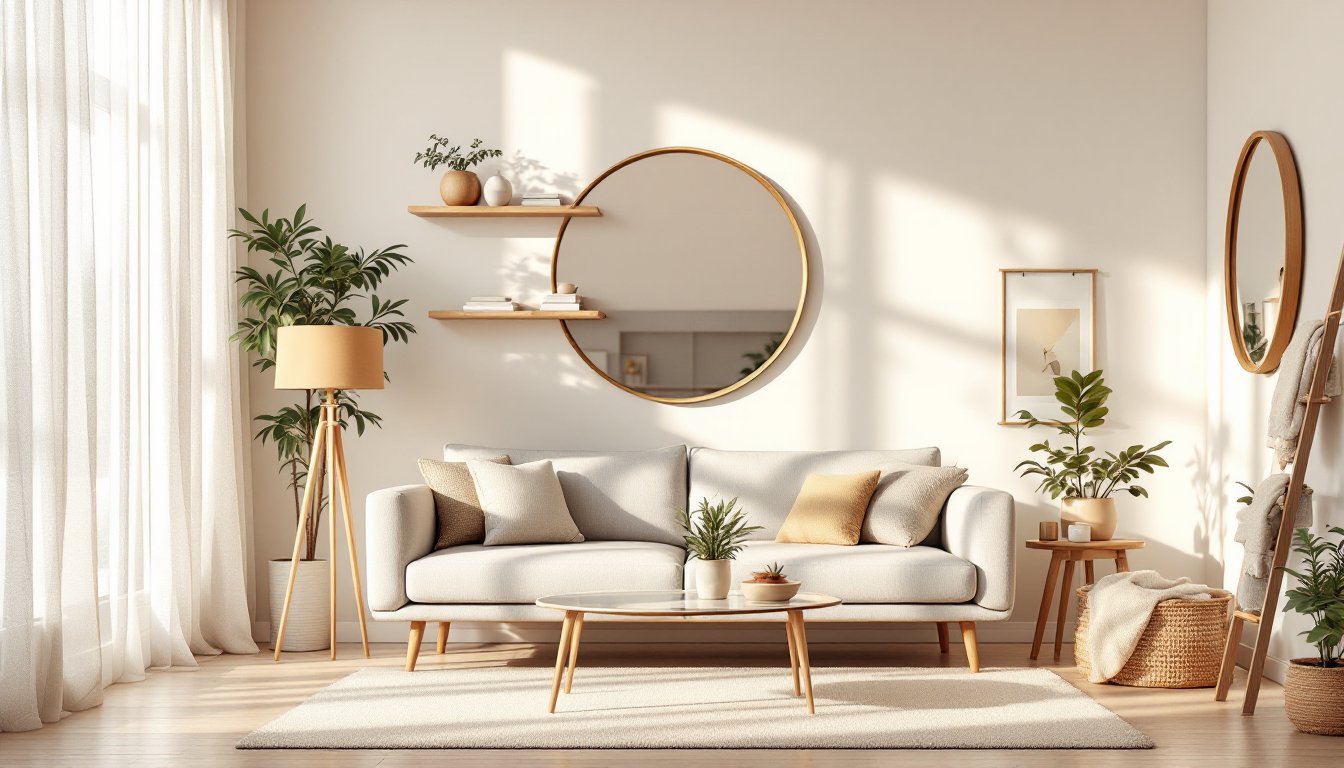
Opening sight lines, using interior windows between rooms, glass shower doors, and avoiding solid interior walls, creates an illusion of space. Consistent flooring throughout, light paint colors (whites and soft grays reflect light and expand perception), and strategic mirrors multiply the perceived square footage. A 12-foot loft ceiling with a high-mounted loft bed opens up the vertical plane dramatically compared to an 8-foot ceiling with floor-level beds.
Multi-functional zones save space and money. A dining table that folds against the wall, a murphy bed that hides a desk, or a kitchen island that doubles as a workbench reduces the footprint needed for multiple activities.
Essential Steps for Zoning, Permits, and Legal Requirements
Don’t skip this step, even if it’s tedious. Zoning violations and unpermitted structures create legal liability and kill resale value. Contact your local planning department or county assessor before you buy land or break ground.
Ask three specific questions: (1) Are tiny homes allowed on this property? (2) What minimum lot size is required? (3) What building codes apply, do they use the International Residential Code (IRC), or state-specific amendments? Many jurisdictions have adopted minimum square-footage requirements (often 1,200–2,000 sf) that explicitly exclude tiny homes. Others allow them in specific zones or as accessory dwelling units (ADUs) on existing properties.
If tiny homes aren’t explicitly allowed, investigate whether you can seek a variance or conditional use permit. This process is often cheaper and faster than fighting zoning battles later. Document everything in writing.
Building permits cover electrical (NEC, National Electrical Code), plumbing, structural framing, and roofing. Each system gets a separate inspection. A licensed electrician isn’t optional if you’re doing new wiring: the NEC requires it in most jurisdictions. You can do rough framing and finish carpentry yourself, but foundation work and load-bearing structural changes almost always need engineer-stamped plans.
Budget 8–12 weeks for permit approval. Expedited permitting exists in some areas, but it costs more. If you’re building on a trailer, RV-code compliance may apply instead of building code, it’s simpler but has different standards.
Building Materials and Construction Methods
Tiny homes use the same framing methods as conventional houses: 2×4 or 2×6 studs spaced 16 inches on center, joists and rafters dimensioned for load. What changes is material density and insulation standards. Because utilities are visible and space is precious, you’ll use more efficient materials and tighter construction.
The outer envelope is critical. Use 3.5-inch or 5.5-inch batt insulation (R-13 or R-19) in walls, and 6–10 inches in the roof or ceiling (R-19 to R-38 minimum). Spray foam insulation (closed-cell at 2 inches = R-13, open-cell at 3.5 inches = R-13) seals gaps better than batts but costs 2–3 times more. For tiny homes, the extra cost often pays off because a tight envelope reduces heating and cooling loads in a compact volume.
Roofing must be durable and lightweight if your tiny home is on a trailer. Metal roofing weighs half what asphalt shingles do and lasts 40+ years versus 15–20: the upfront cost is higher but the lifespan justifies it. For foundation-based builds, standard asphalt shingles or architectural shingles work fine.
Flooring in tiny homes gets heavy foot traffic relative to square footage. Engineered hardwood or vinyl plank resists moisture better than solid hardwood and costs less. Concrete floors with radiant heating are popular in minimalist designs and allow thermal mass, though they’re cold underfoot in winter without heating. Subfloor underlayment (0.5-inch minimum) beneath any finish flooring reduces noise, crucial when your bedroom is directly above the living room.
Interior finishes take a functional approach. Paint over drywall instead of complex trim work: flat ceilings instead of vaulted. Every square inch counts, so avoid thick baseboards and crown molding. Save money and material here: invest it in insulation and mechanical systems.
Compare construction methods: stick-built (traditional 2×4 framing on-site), panelized (factory-built wall and roof sections assembled on-site), and kit homes (pre-engineered components you assemble). Stick-built gives maximum flexibility: panelized cuts construction time by 30–40%: kits streamline everything but limit customization. Many tiny home builders use hybrid approaches, kit frame with custom finishes. Research options through advanced construction techniques at Fine Homebuilding for detailed framing and building science.
Sustainable Features for Tiny Home Living
Tiny homes have inherent sustainability advantages, less energy use, fewer materials. But intentional choices multiply those benefits.
Energy systems are your biggest ROI. LED lighting throughout cuts electricity demand by 75% versus incandescent. A high-efficiency heat pump (heating and cooling in one unit) is standard in modern tiny homes: they cost $3,000–$5,000 but eliminate the need for separate furnaces and AC, freeing up space and reducing ductwork. Tankless water heaters heat on-demand instead of maintaining a constant 40–50 gallons, cutting water heating energy by 24–34%.
Water conservation is critical in tiny homes, especially off-grid builds. Low-flow showerheads (2 gpm instead of standard 5 gpm), composting toilets (no septic or sewer line needed), and rainwater catchment systems reduce both utility costs and environmental impact. Greywater systems (reusing shower and sink water for toilets and landscaping) are legal in some states but require permits. Check local codes before installing.
Building material sourcing matters. Reclaimed wood, recycled metal, and FSC-certified lumber reduce environmental footprint. Prefabricated components (walls, trusses) generate less on-site waste than stick-building. If budget allows, specify low-VOC (volatile organic compound) paints, finishes, and adhesives, they off-gas slower and improve indoor air quality in a tightly sealed space.
Passive solar design is free once you understand it. South-facing windows capture winter sun: deep eaves shade them in summer. Thermal mass (concrete, stone, or water) absorbs heat during the day and releases it at night. In many climates, thoughtful window placement and thermal mass eliminate 50% of heating load. The comprehensive guide to tiny homes design explores these principles in depth.
Insulation and airtightness can’t be overstated. Seal all penetrations (electrical outlets, plumbing, HVAC ducts) with caulk or foam. Target an air leakage rate of 5 ACH50 (air changes per hour at 50 Pascals of pressure). Standard houses run 10–15 ACH50: tight tiny homes often hit 3–4. This requires careful attention to detail and usually a professional blower door test to verify.
Conclusion
Building a tiny home is achievable for owner-builders willing to invest time in planning and sweat equity in construction. Start by understanding your local zoning and permits, that foundation determines everything else. Design thoughtfully around vertical space, storage, and multi-function zones. Build with quality materials and tight construction, because every square inch works harder in a tiny home. Integrate sustainable systems not for ideology but for practical savings. The payoff is a home tailored to your life, lower monthly expenses, and genuine pride in having built it yourself.