
A half bathroom doesn’t need to feel like an afterthought. Whether you’re updating a dated powder room or creating a guest bath from scratch, a thoughtful half bathroom remodel can deliver serious style impact in a compact footprint. Unlike full bathrooms, half baths focus on two essentials, a sink and toilet, which means your budget stretches further and your timeline stays tight. This guide walks through seven practical strategies for a half bathroom design that works harder and looks sharper, from clever space planning to fixture choices that punch above their weight. You’ll find concrete ideas you can carry out yourself or hand off to a contractor, without vague inspiration or Pinterest fluff.
Table of Contents
ToggleKey Takeaways
- Smart space planning is critical in half bathroom remodel ideas—position your vanity opposite the toilet, confirm door swing clearance, and run tile lengthwise to maximize perceived space in 20–30 square-foot footprints.
- Select fixtures that deliver style and function: wall-mounted vanities (17–20 inches deep) save floor space, while single-hole faucets and upgraded hardware like brushed brass or matte black finishes transform the look for under $100.
- Tile and paint strategies amplify impact—subway tile remains timeless, metallic accents catch light to enlarge the room, and a 3-foot-high tile treatment behind the vanity protects from water while keeping costs lower than full wall coverage.
- Layer task lighting with wall sconces at 36–40 inches apart and 60 inches high to eliminate harsh shadows, pair with a dimmer switch, and choose warm white (2700K) bulbs to create an inviting atmosphere.
- Maximize storage without clutter by using recessed medicine cabinets, open shelving above the toilet, and floating shelves at varying heights to define grooming, storage, and walking zones.
- Attention to detail saves money and prevents costly mistakes—measure twice, use flexible silicone caulk at tile seams instead of grout, and confirm building codes for exhaust fan ventilation requirements before you start.
Maximize Your Layout With Smart Space Planning
Half bathrooms typically measure 20–30 square feet, so layout decisions make or break the remodel. Start by measuring your space precisely, wall lengths, ceiling height, and door swing. A standard half bath vanity runs 24–30 inches wide: toilet rough-ins are usually 12 inches from the finished wall, though 10 and 14 inches exist depending on your home’s framing.
Position your vanity opposite the toilet if possible: this creates a natural visual balance and makes the room feel less cramped. If your door swings inward, ensure it doesn’t collide with the toilet or vanity when open, many DIYers overlook this and end up redoing their layout. Consider whether you have space for a small shelf unit or recessed medicine cabinet above the toilet: vertical storage saves floor real estate.
Flooring layout matters too. Running tile or vinyl plank lengthwise (parallel to the door) makes the room feel longer. Diagonal tile looks stylish but wastes material and complicates cuts in tight corners, save that for larger bathrooms. Finally, confirm your building code for egress windows (ventilation requirements vary by jurisdiction): you may need an exhaust fan vented to the outside, not just into your attic.
Choose Fixtures and Finishes That Make an Impact
Sinks and Vanities for Small Spaces
Your sink and vanity set the tone for the entire room. Wall-mounted vanities (17–20 inches deep) free up floor space and make the room feel airier, a smart move if you’re tight on square footage. Pedestal sinks look elegant but offer zero storage: if you need drawers and shelves, a compact vanity with clean lines outperforms ornate framed mirrors.
For half bathroom design ideas that work in tight layouts, consider vessel sinks (bowls that sit on top of the counter) or undermount sinks. Vessel sinks add visual interest and let you see finished countertop underneath, but they sit higher (usually 3–5 inches above standard height) and can splash. Undermount sinks feel sleek and are easier to clean, though installation requires more careful countertop routing. Porcelain and ceramic are durable: composite materials like quartz offer color consistency and require less maintenance but cost more upfront.
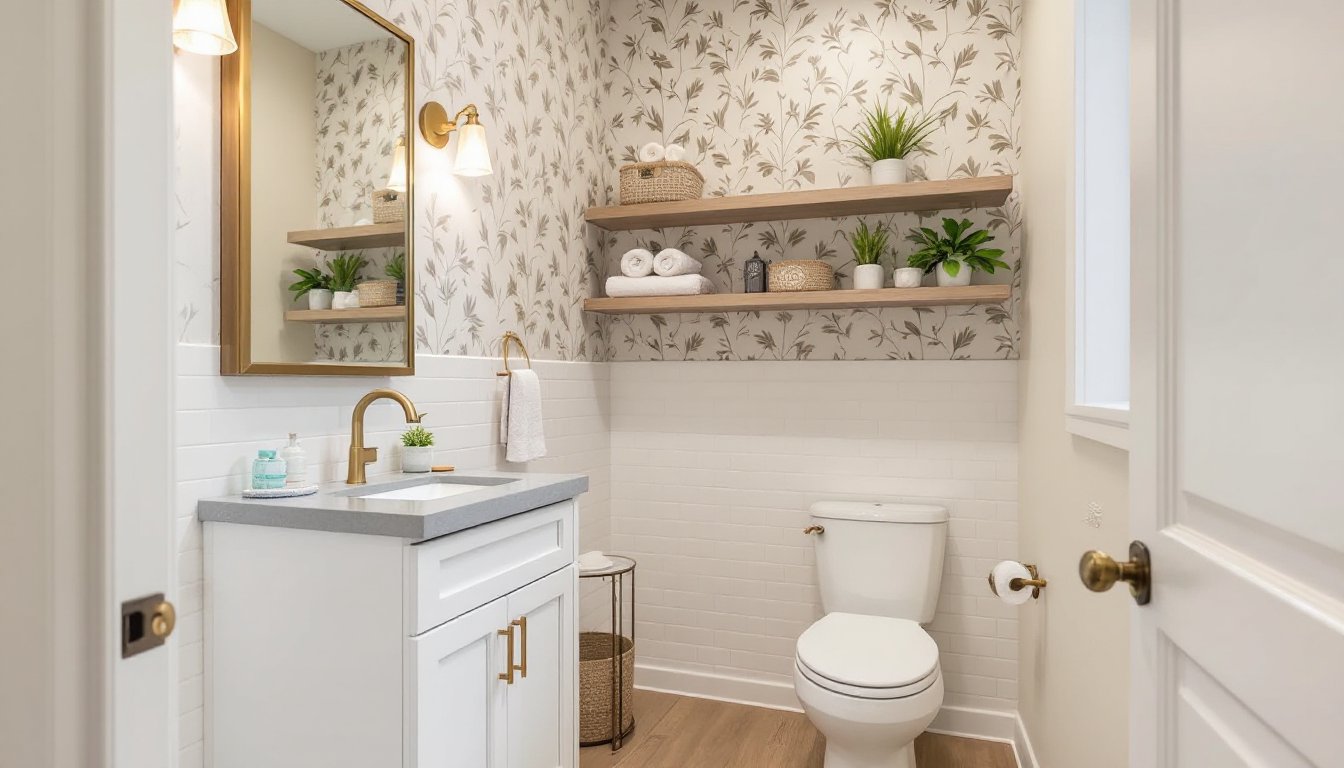
Counter depth should be at least 20 inches for elbow room. A 24–30-inch vanity with a single sink is the sweet spot for half bathrooms. Finish the counter in a material that contrasts with wall color, white subway tile walls pair nicely with warm wood-tone or gray quartz counters, creating depth without visual clutter.
Modern Faucet Styles and Hardware Upgrades
Faucet choice influences both function and aesthetics. A single-hole faucet (one spout, one handle) works well for small vanities and looks contemporary. Widespread faucets (two separate handles plus center spout) demand more counter real estate but feel luxe and give precise water temperature control.
Finish options include brushed nickel, matte black, polished chrome, and oil-rubbed bronze. Matte black reads modern and hides water spots: brushed nickel is timeless and forgiving. Chrome shines but shows fingerprints, think twice if you have kids. Install the faucet before mounting the vanity if possible: it’s easier to work with the sink in a horizontal position.
Don’t skip cabinet hardware. Swapping out knobs and pulls from builder-grade brass to brushed brass, black, or nickel costs under $100 but transforms the look. Recessed handles (integrated into cabinet doors) work great in tiny spaces and feel intentional. Towel bars, robe hooks, and a single shelf all contribute to a finished half bathroom remodel, these small touches cost little but signal attention to detail.
Elevate Your Design With Tile and Wall Treatments
Tile is the workhorse of bathroom design, especially in half baths where it typically covers wet areas (splash zone around the sink) or the entire wall. Subway tile (3×6 inches, classic and affordable) never goes out of style: modern half bathroom design often pairs white subway tiles with grout that’s either crisp white (clean look) or light gray (hides grime longer).
For more personality, consider penny rounds, hex tiles, or small-format mosaic in a single accent wall, usually the wall behind the sink. A 3-foot-high tile treatment behind the vanity protects from water splashes and gives you room above for a painted or wallpapered finish, saving cost and letting you change the look without major work.
Metalic accents trend well. Glass tiles and mirrored subway varieties catch light and make tight spaces feel bigger. Matte ceramic tiles in soft gray, sage green, or warm taupe offer sophistication without the high-gloss shine. Avoid dark grout in tiny bathrooms unless you’re meticulous about cleaning: it shows water stains and dust more readily.
Walls above the tile can be paint, wallpaper, or shiplap. Soft neutral paint (eggshell finish, which wipes clean) works everywhere: bold wallpaper, geometric, botanical, or small-scale patterns, works if backed by solid fixtures. Wallpaper in a half bath does fade and can peel near the sink, so use wallpaper rated for high-moisture areas. Shiplap adds texture and farmhouse charm but eats 1–1.5 inches of wall width: measure carefully before committing.
Caulk seams, not grout, where tile meets corners. Silicone caulk flexes with seasonal wood movement, while grout cracks. This small detail prevents water infiltration and keeps your remodel looking fresh longer.
Lighting and Storage Solutions That Impress
Lighting transforms both function and mood. A single overhead fixture isn’t enough: pair it with task lighting on either side of the vanity mirror. Sconces (wall lights) at 36–40 inches apart and 60 inches from the floor are the standard: they illuminate your face evenly without harsh shadows. LED sconces cost $20–100 each and last 25,000+ hours, cutting electricity bills over time.
Add a dimmer switch to overhead lighting so guests don’t feel interrogated. Warm white bulbs (2700K) feel inviting: cool white (4000K) suits modern designs. If you’re adding an exhaust fan (which most codes require), choose one with low sone ratings (under 2 sones is quiet): a fan that runs silent gets used more often, preventing mold and odor.
Storage in a half bath is precious. Recessed medicine cabinets (flush with the wall) don’t rob floor space and cost $50–150 plus installation. Open shelving above the toilet works if you’ve got baskets for rolled hand towels and small décor items: styling matters here, clutter kills the vibe. Floating shelves (24–30 inches wide) mounted at various heights create visual interest and function as both storage and display.
Consider a towel warmer or heated rack if you’re indulging, they use modest electricity, take up minimal space, and feel luxurious. Wall-mounted toilet paper holders and toothbrush caddies keep counters clear. The trick is defining zones: grooming zone (at the vanity), storage zone (shelves or cabinet), and a clear-to-walk zone. A small half bathroom design succeeds when every item has a home. Resources like powder room design guides showcase how professionals layer storage and style. Remodelista curates high-impact design sourcebooks with real-world bathroom examples. For budgeting and scope planning, home renovation cost guides help you understand labor, material, and contractor rates by region.
Conclusion
A half bathroom remodel delivers outsized returns. Smart layout planning prevents expensive mistakes: thoughtful fixture selection sets the tone without breaking the budget: and strategic tile, lighting, and storage turn a utilitarian powder room into a space guests, and you, actually enjoy. Start with a clear plan, measure twice, and don’t skip prep work. Whether you’re tackling this yourself or hiring help, attention to detail in a small space pays dividends in both function and style.