
A modern luxury living room isn’t about overcrowding a space with expensive items or chasing every design trend that floats across social media. It’s about intentionality, selecting pieces that tell a story, materials that feel authentic, and a layout that actually works for how people live. Whether you’re starting from scratch or refreshing a tired room, understanding the principles of modern luxury design means you can create a space that’s both sophisticated and genuinely livable. This guide walks you through the practical decisions that separate a truly luxe space from one that just looks expensive.
Table of Contents
ToggleKey Takeaways
- Modern luxury living room design is defined by intentionality and thoughtful curation rather than expensive items or following trends.
- Choose a luxury aesthetic direction (minimalist or maximalist) before purchasing furniture to guide all design decisions and avoid costly mistakes.
- Invest in quality statement seating with kiln-dried hardwood frames and durable upholstery, then arrange furniture strategically to encourage conversation and proper traffic flow.
- Layered lighting with warm color temperatures (2700K-3000K) and dimmer switches transforms a space more than any single element and is essential for luxury ambiance.
- Elevate your modern living room with a neutral color base, intentional accent colors, and mixed high-quality materials like real wood, marble, and genuine leather.
- Add personality through curated art pieces, styled shelving with negative space, and sensory touches like quality candles to create a lived-in, sophisticated home.
Define Your Luxury Aesthetic
Before you buy a single piece of furniture, decide what luxury means to you. Modern luxury comes in different flavors, and getting clear on your direction will save you money and regret down the road.
Minimalist Luxury vs. Maximalist Opulence
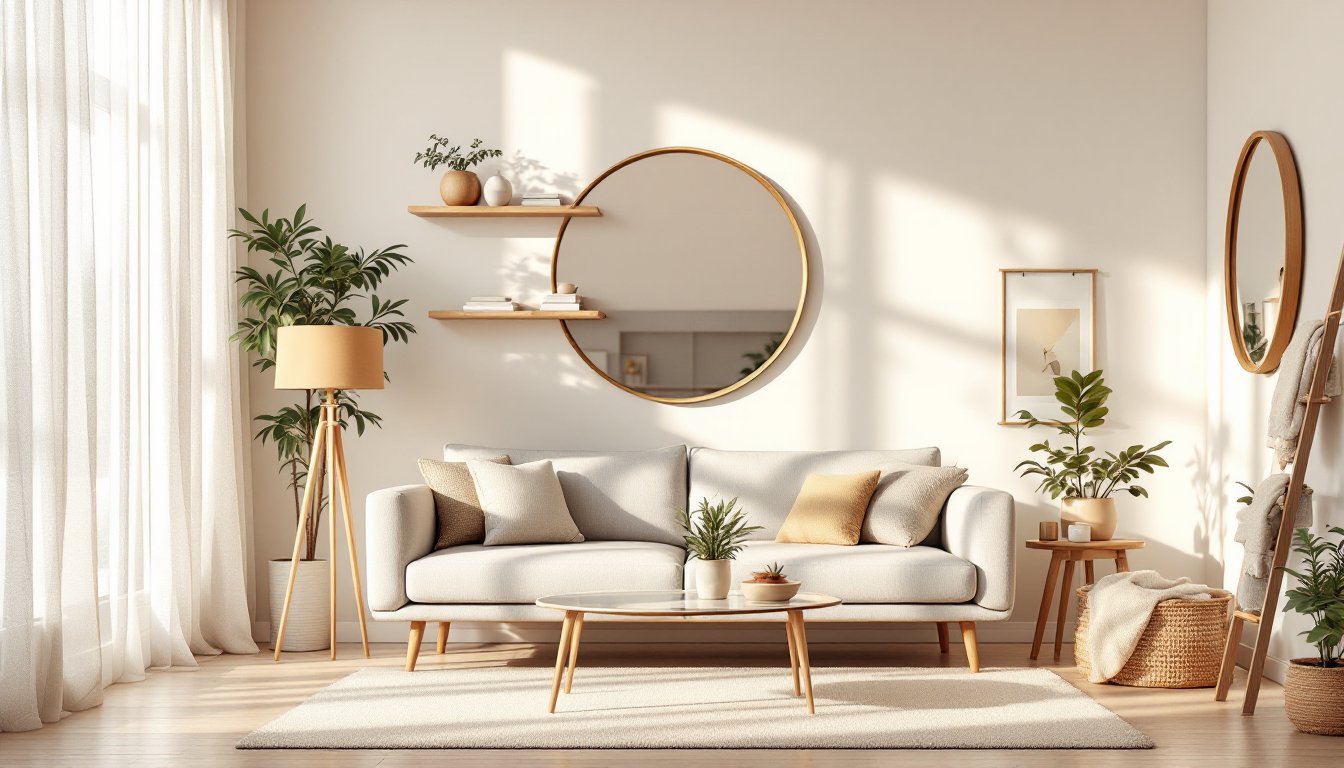
Minimalist luxury is clean, restrained, and intentional. Think high-quality leather sectional, a single statement art piece, pale oak flooring, and negative space that lets good design breathe. Every item earns its spot. This approach works beautifully in smaller rooms or for people who find clutter stressful.
Maximalist opulence, by contrast, embraces layering, pattern, texture, and richness. A jewel-toned accent wall, patterned velvet seating, brass hardware, layered rugs, and curated collections of objects create visual interest and personality. It’s luxurious because the pieces are quality and the curation is thoughtful, not chaotic.
Most modern luxury spaces land somewhere in the middle: a streamlined layout with selective rich textures, a neutral base with one bold accent, or a mix of organic and geometric shapes. The key is that every design choice, whether you’re going spare or lush, feels deliberate, not accidental. Ask yourself: Do I want this room to feel calm and restorative, or energized and expressive? Your answer shapes everything that follows.
Essential Furniture Pieces for Modern Luxury
Luxury doesn’t mean filling every corner with items. In fact, restraint is part of what makes a room feel upscale. Start with a strong foundation and layer thoughtfully.
Statement Seating and Layout Strategies
Your sofa is the anchor. In a modern luxury room, this means choosing quality construction, kiln-dried hardwood frame, eight-way hand-tied springs or high-resilience foam, and upholstery that will wear beautifully over time. Leather ages into patina: natural linen softens: high-performance fabrics resist staining without sacrificing feel. Avoid trendy colors if you plan to keep the piece for years: neutral tones (cream, gray, warm taupe, deep charcoal) pair with almost any update you’ll want to make later.
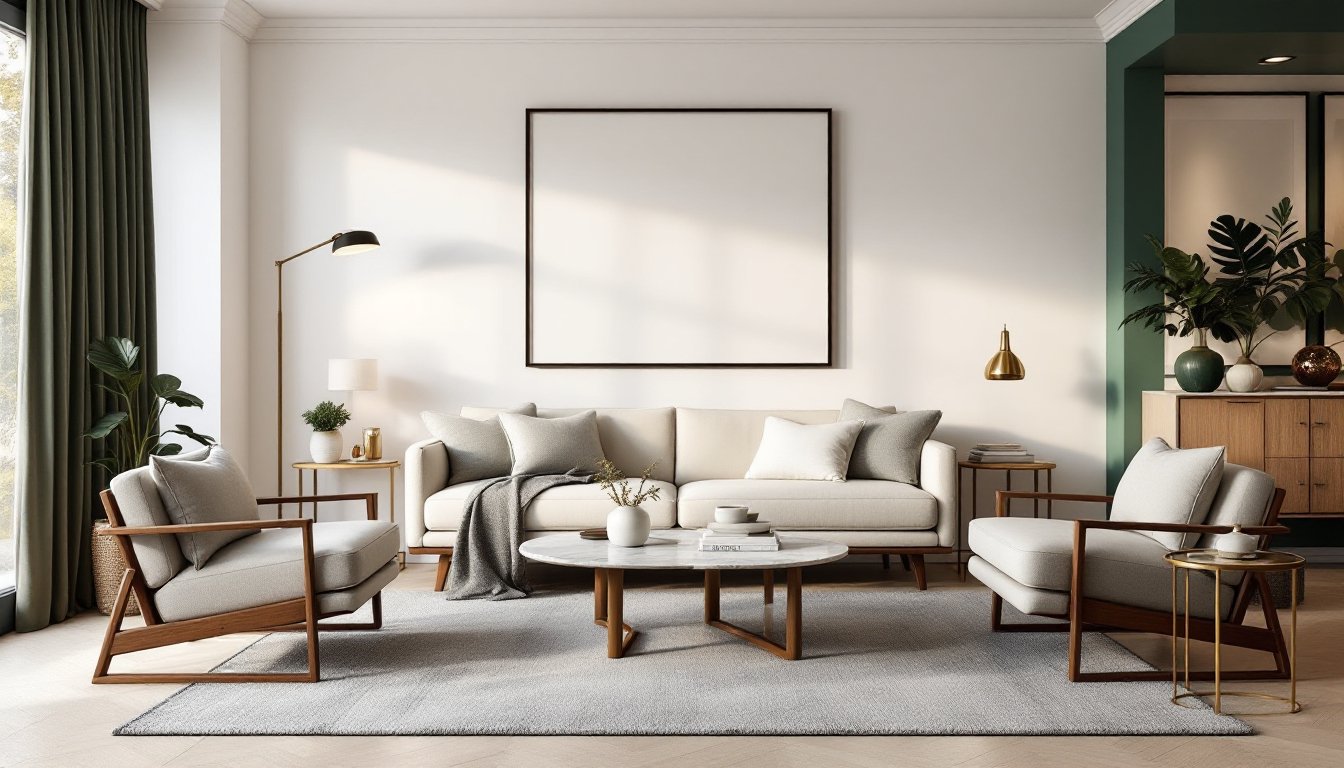
Layout matters as much as the furniture itself. Arrange seating to encourage conversation rather than all facing the TV. A sofa paired with a pair of lounge chairs angled inward, with a substantial coffee table anchoring the grouping, creates intimacy and proportion. White rugs for living room often define seating zones without walls, especially in open-plan homes. If you have architectural features like a fireplace or large window, orient seating toward those focal points.
Consider scale carefully. A tiny loveseat in a large room looks skimpy: oversized sectionals in a modest living room make the space feel cramped. Measure your room, sketch it out, and account for traffic flow, you should be able to walk from the entrance to the far end without sidestepping furniture. Professional designers spend as much time on layout as on aesthetics, and it shows.
Color Palettes and Materials That Elevate the Space
Modern luxury relies on a considered color story. Start with a neutral backdrop, soft grays, warm whites, natural wood, or pale stone tones. These create a calm foundation and let your furnishings and art be the focus.
From there, introduce accent colors with restraint. A jewel tone (emerald, sapphire, burgundy) on a single accent wall or through upholstered pieces feels intentional. Warm neutrals (creams, warm grays, taupe) paired with brass or warm wood hardware create richness without heaviness. Cool grays with matte black or brushed nickel feel contemporary and clean.
Material choices elevate instantly. Real wood (walnut, oak, ash) beats veneer. Marble, limestone, or quality porcelain tile beats plastic laminates. Genuine leather, linen, and wool beat synthetic alternatives. That said, high-performance fabrics that mimic natural fibers exist and are worth considering if you have pets or kids, the goal is a room you’ll actually live in, not one you’re afraid to use.
Mixing materials, wood with metal, soft textiles with hard surfaces, matte with glossy, adds sophistication. A coffee table with a solid wood base and marble top, paired with a sofa in natural linen and side tables in brass and glass, reads as intentional and layered. Rug on carpet living room design also demonstrates how texture combinations elevate a space: two different flooring materials create visual interest and define zones.
Lighting Design: The Game-Changer for Luxury Ambiance
Lighting transforms a room more than any single element. A space with flat, bright overhead lighting feels cheap: layered lighting feels luxe.
Start with ambient lighting, this is your baseline. Recessed lights or a sophisticated ceiling fixture (not a cheap chandelier, but something sculptural or minimal) set the mood. Dimmer switches are non-negotiable: they let you adjust warmth and intensity for different times of day.
Add task lighting where you actually sit and read: a tall arc floor lamp with a linen shade beside a chair, or sleek table lamps with warm LED bulbs on side tables. Accent lighting brings drama, uplighting on artwork, a neon sign, or decorative sconces flanking a mirror add personality and dimension.
Choose warm color temperatures (2700K to 3000K). Cool fluorescent light ages a space: warm light flatters skin, makes materials glow, and feels welcoming. Invest in quality fixtures from mid-range makers like Schoolhouse Electric, Apparatus, or West Elm, you don’t need Italian lighting to look intentional, but you do need to avoid the discount-bin look.
Personal tip: If you’re feeling stuck on overall design direction, architectural digest modern living room gallery to study how professional designers layer lighting. You’ll notice every scheme uses multiple light sources at different heights, none of it harsh.
Incorporating Art, Decor, and Personal Touches
This is where a room stops feeling like a showroom and becomes a home. Luxury spaces aren’t sterile: they’re curated reflections of the people who inhabit them.
Art is the quickest way to add sophistication. One substantial piece (48 inches or larger) makes a bigger impact than a gallery wall of small prints. Alternatively, a thoughtful pair or triptych arranged symmetrically feels collected and intentional. You don’t need to spend thousands, emerging artists on platforms like Saatchi Art or even high-quality prints of works you genuinely love cost far less. Hang art at eye level (the center should sit around 57–60 inches from the floor) so it commands the space.
Books, ceramics, and sculptural objects add texture and personality without clutter. Modern home decor design often features carefully styled shelving with negative space: a few leather-bound books, a sculptural vase, a small plant, and breathing room. Avoid the instinct to fill every surface: restraint reads as confidence.
Toss pillows and throws should feel intentional, not random. Stick to your color palette and vary textures: a linen pillow next to one in velvet, a geometric pattern paired with solid tones. Natural fiber throws (wool, linen, cotton) draped over the sofa feel lived-in and luxe.
Plants bring life and softness. Large-leafed plants like fiddle figs or monstera deliciosas add visual weight: trailing plants like pothos or string of pearls soften hard edges. Design house decor principles emphasize how greenery connects interior spaces to the natural world, creating balance.
Final touch: fragrance. A high-quality candle or diffuser with a scent you genuinely love (not something that smells like a department store) grounds the sensory experience and anchors memory. People remember how spaces smell almost as much as how they look.
<h2 id="” data-id=””>Final Thoughts
Modern luxury living room design isn’t about big budgets or following rules, it’s about clarity, intention, and honesty. Choose quality pieces you’ll live with for years, arrange them thoughtfully, light them beautifully, and add the human touches that make a room feel like yours. The spaces that feel most luxe aren’t always the most expensive: they’re the ones where every choice has a reason. Start with one strong foundation piece, layer in materials and textures you love, and trust that restraint and curation will do the heavy lifting. Your living room should make you want to spend time there, that’s the real luxury.