
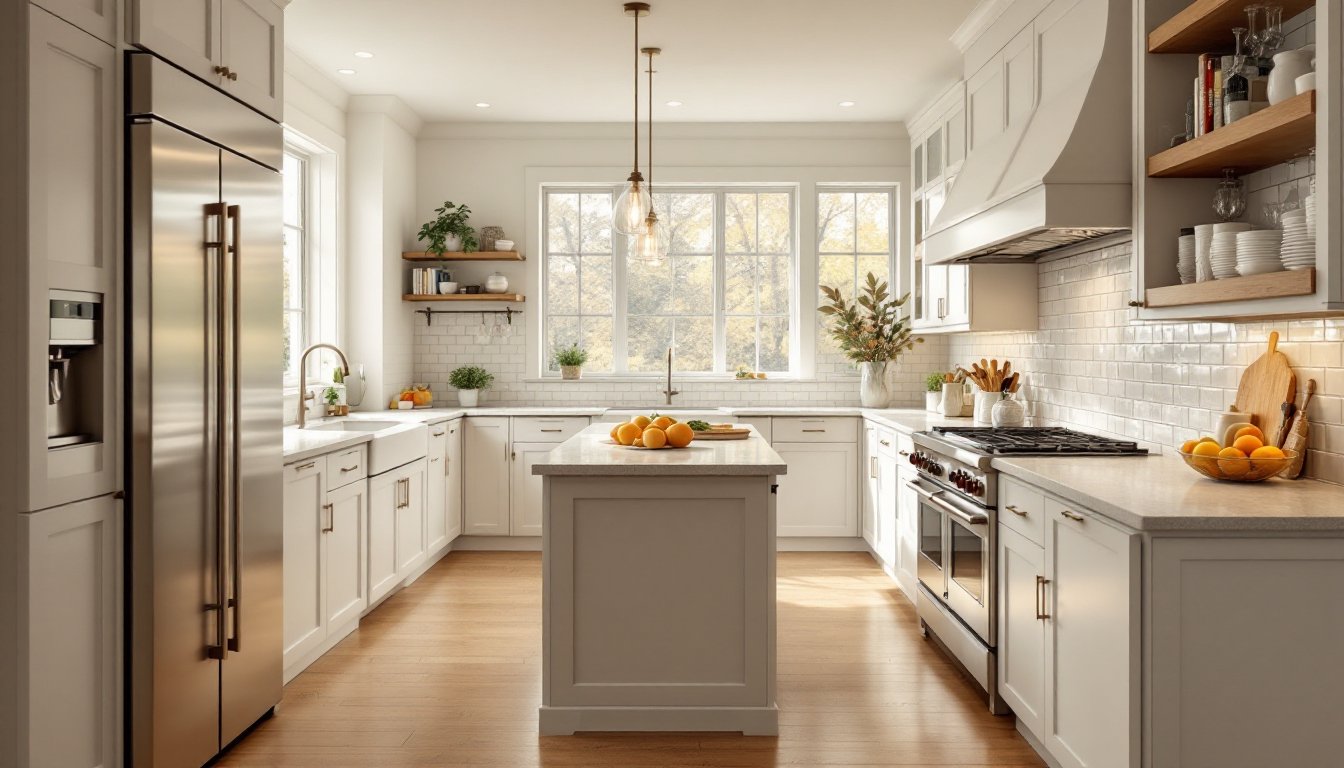
A kitchen renovation isn’t just about trends, it’s about building a space that’ll feel right for years to come. Kitchens that embrace timeless kitchen design principles avoid the dated look that forces expensive overhauls in five or ten years. Whether you’re planning a full remodel or refreshing key elements, understanding what makes a design endure matters. Classic kitchen design fundamentals, solid materials, functional layouts, and neutral backdrops, form the backbone of kitchens that age gracefully. This guide walks through seven core elements that define a kitchen built to last, blending proven design choices with practical advice for homeowners and DIY enthusiasts ready to invest in spaces they’ll love long-term.
Table of Contents
ToggleKey Takeaways
- Timeless kitchen design relies on neutral color foundations like off-white, soft gray, and warm beige, with balanced accent colors limited to 30-40% of the visual space to prevent dating.
- Quality materials such as real hardwood cabinetry, stone countertops, and ceramic tile age beautifully and outlast budget alternatives by decades, making them smarter long-term investments.
- The kitchen work triangle—positioning sink, stove, and refrigerator 4-9 feet apart—remains the gold standard for functional, efficient layouts that feel current regardless of style trends.
- Simple, proportionate hardware in brushed stainless steel or oil-rubbed bronze stays timeless, while trendy finishes like rose gold and ornate designs date quickly.
- Smart storage integrated with the kitchen work triangle, such as pull-out shelves and soft-close drawers, keeps spaces organized and functional for multiple generations of use.
Classic Color Palettes That Stand the Test of Time
Neutral Foundations and Warm Accents
The most timeless kitchens start with a restrained color foundation. Off-white, soft gray, warm beige, and cream form a backdrop that flatters natural light and pairs well with nearly any material or style shift down the road. These neutrals aren’t boring, they’re strategic. A warm white (with slight yellow or beige undertones) feels more inviting than a stark, cool white, and holds up better visually as lighting changes throughout the day.
Warm accent colors, mustard, sage green, or warm terracotta, add personality without boxing you in. The key is balance: let neutrals occupy 60–70% of your visual space, with accents limited to cabinetry, a tile backsplash, or painted trim. This ratio keeps the room feeling classic rather than trend-driven.
Avoid ultra-saturated jewel tones or black-on-black schemes popular in recent years. They date quickly and shrink small kitchens visually. Stick to one accent color family rather than mixing multiple bold shades. If you’re painting existing cabinets, use a quality paint-grade primer and two coats of kitchen-specific semi-gloss or satin enamel, it holds up to moisture and wear far better than interior house paint.
Quality Materials and Finishes Worth the Investment
Natural Wood and Stone Elements
Timeless kitchens lean on solid materials: wood, stone, ceramic tile, and stainless steel. These aren’t flashy, but they age beautifully and feel authentic. Real hardwood cabinetry, oak, maple, cherry, or walnut, develops character over time rather than peeling or fading like veneer or laminate. If budget limits full hardwood, solid wood doors with quality hinges and a simple finish (natural, painted white, or soft stain) beats budget particle board every time.
Stone countertops, granite, marble, or engineered quartz, deliver durability and visual weight that plastic laminate simply can’t match. Yes, stone costs more upfront, but a solid surface like Caesarstone or Silestone lasts 25+ years with basic care, while laminate chips or peels in half that time. Backsplash tile in subway, hexagon, or small square formats (traditional glazed ceramic or porcelain) remains visually current without feeling dated. Avoid trendy large-format tiles or 3D patterns, they photograph well but feel stale within five years.
Wood flooring or ceramic tile (not vinyl plank) grounds a classic kitchen. Hardwood with a durable matte or satin urethane finish handles kitchen traffic, or select a warm-toned porcelain tile in a simple pattern. Both age better than glossy finishes or bold, busy patterns. Stainless steel appliances remain the professional standard, but brushed or matte finishes look fresher longer than high-polish chrome.
Smart Layout and Functional Design Principles
Timeless design and smart function go hand in hand. The kitchen work triangle, the path between sink, stove, and refrigerator, remains the gold standard for efficient layouts. Position these three points roughly 4–9 feet apart: anything tighter feels cramped, and anything wider wastes steps. If your kitchen can’t accommodate a true triangle (galley kitchens, for instance), linear workflow is the next-best option.
Island placement matters. A well-positioned island provides counter space and breaks up the kitchen visually without blocking sightlines to adjacent living areas. But an island stuffed into a tight galley kitchen or positioned awkwardly feels forced and ages the space. Standard island depth is 24 inches: width varies by kitchen, but aim for at least 36 inches to allow counter space and traffic flow on both sides.
Clearances are critical for function and code compliance. Work zones need 36–42 inches of clearance: doorways require 32 inches minimum clear opening (per IRC). Cabinets above the cooktop or sink typically sit 18 inches above the counter, any lower feels cramped, any higher wastes storage. These proportions stay timeless because they’re based on human scale and safety, not aesthetics.
Consider workflow when planning storage and appliance placement. Prep zones (cutting boards, utensils) should sit between fridge and sink: cooking zones near the stove: cleaning zones near the sink. This logical progression, borrowed from classic restaurant kitchen design, never feels dated because it just works.
Timeless Hardware and Fixture Choices
Cabinet hardware is the jewelry of kitchen design, and choices here directly affect how long a kitchen feels current. Simple, proportionate pulls and knobs in brushed stainless steel, oil-rubbed bronze, or polished brass stay timeless. Avoid ornate, overly decorative hardware or trendy finishes like rose gold or matte black, they date fast.
For traditional timeless kitchen cabinets, cup pulls or simple bar pulls (3–4 inches long) suit most door sizes. Proportion matters: a small knob on a large cabinet door looks silly, and oversized hardware on a petite drawer feels forced. Standard spacing is 2.5 inches from the door edge for a 3-inch pull: adjust proportionally for larger or smaller hardware.
Faucets should be sturdy, easy to clean, and built for durability. Single-lever pull-down or pull-out faucets in stainless steel or brushed nickel remain the safest bet. Avoid ultra-contemporary sculptural shapes or finishes that hide water spots and fingerprints. Look for faucets with solid brass bodies and ceramic valve cartridges, they outlast plastic-heavy models and repair parts are widely available years down the road.
Sink choice also matters. A classic stainless steel or porcelain drop-in or undermount sink (single or double bowl) works with almost any cabinet style. Undermount sinks look sleeker and age better because the rim doesn’t trap crumbs or water. Size typically ranges 30–36 inches wide: deeper bowls (8–10 inches) improve functionality without looking out of proportion.
Storage Solutions That Work for Every Era
Smart storage separates a kitchen that functions beautifully for decades from one that feels chaotic within a few years. Timeless storage prioritizes clear visibility and easy access over trendy open shelving or cleverly hidden solutions that nobody can find.
Cabinets with simple recessed panel or flat-front doors and internal dividers (for baking sheets, cutting boards) serve multiple generations of cooks. Avoid heavily textured or high-gloss finishes, flat or satin lacquer hides dust and water spots better. Deep cabinets (12–18 inches) with pull-out shelves let you actually reach items in the back without contorting yourself: this simple investment in function prevents the cabinet from becoming a junk drawer.
Drawers with soft-close hinges and metal dividers keep utensils, linens, and small appliances organized and accessible. Cabinetry layouts that follow the kitchen work triangle, utensils near prep zones, pots near the stove, dishes near the dishwasher, feel intuitive decades later rather than requiring mental gymnastics.
Open shelving can work in a traditional timeless kitchen design if kept minimal and organized. A few open shelves displaying everyday dishes, glasses, and cookbooks adds visual lightness without clutter. But avoid the “every shelf bursting with mason jars and succulents” look, it photographs well but creates maintenance headaches. One or two shelves, kept intentionally sparse, age far better.
Pantry storage, whether a dedicated walk-in, a tall pantry cabinet, or pull-out pantry drawers, eliminates counter clutter and keeps daily ingredients out of sight. A pantry isn’t trendy or dated: it’s simply functional and timeless. Even a 36-inch tall cabinet tucked into a corner beats a kitchen where cereal boxes and oil bottles live on counters.